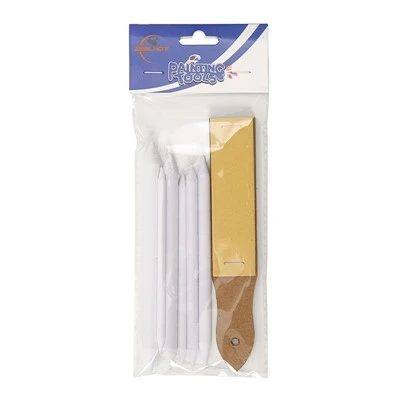
How to use a gouache paint brush for dry - brushing?
Leave a message

Hey there, fellow artists and painting enthusiasts! I'm super stoked to share some tips on how to use a gouache paint brush for dry - brushing. As a gouache paint brushes supplier, I've seen firsthand how this technique can take your art to the next level. So, let's dive right in!
What is Dry - Brushing?
Dry - brushing is a really cool painting technique where you use a small amount of paint on a nearly dry brush. This creates a light, textured effect on your canvas or whatever surface you're painting on. It's great for adding highlights, creating a weathered look, or just adding some extra depth to your artwork.
Choosing the Right Gouache Paint Brush
First things first, you need to pick the right brush. We offer a wide range of Brush for Acrylic Painting that are also perfect for gouache dry - brushing. When choosing a brush, consider the size and the type of bristles.


- Size: For dry - brushing, smaller brushes like size 0 or 1 are often ideal. They give you more control and can create finer details. But if you're working on a larger area or want a broader effect, you can go for a size 3 or 4.
- Bristles: Natural hair brushes, like sable or hog hair, are great because they hold the paint well and can spread it evenly. Synthetic brushes are also a good option, especially if you're on a budget. They're durable and can mimic the performance of natural hair brushes. We also have some Best Brushes for Acrylic Paint On Canvas that work wonders for gouache dry - brushing.
Preparing Your Brush
Before you start dry - brushing, you need to prepare your brush properly. Here's how:
- Wash the Brush: If it's a new brush, give it a good wash in warm, soapy water. This removes any manufacturing residues and makes the brush more absorbent.
- Dry the Brush: After washing, gently squeeze out the excess water with a paper towel. Then, let it air - dry completely. You want the brush to be almost dry before you start adding paint.
- Shape the Bristles: Use your fingers to reshape the bristles into a point or the shape you need for your painting. This will help you get a more precise dry - brushing effect.
Loading the Brush with Paint
Now that your brush is ready, it's time to load it with paint.
- Get a Small Amount of Paint: Scoop up a tiny amount of gouache paint onto your palette. You don't need much because dry - brushing is all about using a small amount of paint.
- Load the Brush: Dip the tip of the brush into the paint. Make sure only the very tip of the bristles gets coated with paint. You can then wipe off any excess paint on the edge of the palette. The goal is to have just a small amount of paint on the brush.
Dry - Brushing Technique
Once your brush is loaded with paint, it's time to start dry - brushing.
- Light Pressure: Press the brush lightly against the surface you're painting on. You want to use very little pressure so that only the tips of the bristles touch the surface. This creates a light, scattered effect.
- Short, Quick Strokes: Use short, quick strokes in the direction you want the paint to go. For example, if you're dry - brushing a landscape, you might use horizontal strokes for the sky and vertical strokes for the trees.
- Build Up Layers: You can build up the dry - brushed layers gradually. Let each layer dry before adding another one. This gives you more control over the intensity of the effect.
Tips and Tricks
- Experiment with Different Surfaces: Dry - brushing works well on a variety of surfaces, including canvas, paper, and wood. Try it on different surfaces to see which one gives you the effect you like best.
- Use Different Colors: Don't be afraid to mix and match colors when dry - brushing. You can create some really interesting effects by using complementary or contrasting colors.
- Practice on a Scrap Piece: If you're new to dry - brushing, practice on a scrap piece of paper or canvas first. This will help you get the hang of the technique before you start working on your main painting.
Using Dry - Brushing in Different Styles of Painting
- Landscape Painting: Dry - brushing is great for adding highlights to trees, grass, and clouds in landscape paintings. You can use light colors to create a sense of sunlight or use darker colors to add shadows.
- Portrait Painting: In portrait painting, dry - brushing can be used to add highlights to the hair, skin, or clothing. It can also be used to create a more textured look, like the texture of a fabric.
- Abstract Painting: Abstract painters can use dry - brushing to add random splashes of color and texture to their paintings. It can create a really dynamic and interesting effect.
Maintaining Your Gouache Paint Brushes
Taking good care of your brushes is important if you want them to last.
- Clean the Brush After Use: After you're done painting, clean the brush immediately in warm, soapy water. Make sure to remove all the paint from the bristles.
- Store the Brush Properly: Store your brushes in a brush holder or a protective case. This keeps the bristles in good shape and prevents them from getting damaged.
Conclusion
Dry - brushing with gouache paint brushes is a fun and versatile technique that can add a lot of character to your paintings. Whether you're a beginner or an experienced artist, I hope these tips have been helpful. If you're interested in purchasing high - quality gouache paint brushes, we've got a great selection of Good Watercolor Brushes that are perfect for dry - brushing. If you have any questions or want to discuss your brush needs for your next project, feel free to reach out to us. We're always happy to help and look forward to working with you on your artistic journey.
References
- "The Complete Guide to Gouache Painting" by an unknown author.
- Various online tutorials and articles on painting techniques.