Do paint pens work on painted surfaces?
Leave a message

Do paint pens work on painted surfaces? That's a question I get asked a lot as a paint pen supplier. I've seen all sorts of projects, from small DIY crafts to large-scale art installations, and the answer isn't always straightforward. In this blog, I'll share my experiences and knowledge to help you figure out if paint pens are the right choice for your painted surface projects.
Understanding Paint Pens
First off, let's talk about what paint pens are. They're basically markers filled with paint instead of ink. They come in all sorts of colors, from bright neons to subtle pastels, and different tip sizes, like fine, medium, and broad. You can find paint pens with different types of paint too, such as acrylic, enamel, and watercolor. Each type has its own unique properties and is suitable for different surfaces and projects.
Acrylic paint pens are super popular. They dry quickly, are water-resistant once dry, and can adhere well to a variety of surfaces. Enamel paint pens, on the other hand, are more durable and resistant to scratches and chemicals, making them a great choice for outdoor projects or surfaces that get a lot of wear and tear. Watercolor paint pens are perfect for creating soft, blended effects, and they're a great option for artists who want to add a touch of watercolor to their work.
Factors Affecting Paint Pen Performance on Painted Surfaces
Now, let's get into the nitty-gritty of whether paint pens work on painted surfaces. There are several factors that can affect how well a paint pen will adhere and perform on a painted surface.
Type of Paint on the Surface
The type of paint that's already on the surface is crucial. If the surface is painted with acrylic paint, then acrylic paint pens will usually work well because they're compatible. The same goes for enamel paint pens on enamel-painted surfaces. However, if you try to use an acrylic paint pen on an oil-painted surface, you might run into problems. Oil paint creates a smooth, non-porous surface that can make it difficult for the acrylic paint to adhere properly.
Surface Texture
The texture of the painted surface also matters. A smooth, glossy surface might be more challenging for paint pens to stick to compared to a rough or matte surface. Glossy surfaces tend to be less porous, so the paint from the pen has less to grip onto. You might need to do some surface preparation, like sanding the surface lightly to create a bit of texture, to help the paint pen adhere better.
Age and Condition of the Paint
The age and condition of the paint on the surface can also affect the performance of paint pens. If the paint is old and peeling or flaking, the paint pen might not adhere well. It's a good idea to repair any damaged areas of the paint before using a paint pen. If the paint is relatively new and in good condition, the paint pen should have a better chance of adhering properly.
Testing Paint Pens on Painted Surfaces
Before you start a big project, it's always a good idea to do a test on a small, inconspicuous area of the painted surface. This will give you an idea of how the paint pen will perform and whether it's the right choice for your project.
To do a test, simply apply a small amount of paint from the pen onto the test area. Let it dry completely, and then check for adhesion. You can gently rub the painted area with your finger to see if the paint comes off. If it does, it might not be a good match for the surface. If the paint stays on and looks good, then you're good to go.
Tips for Using Paint Pens on Painted Surfaces
If you've decided that paint pens are the right choice for your painted surface project, here are some tips to help you get the best results.
Prepare the Surface
As I mentioned earlier, surface preparation is key. Clean the painted surface thoroughly to remove any dirt, dust, or grease. You can use a mild soap and water solution, and then dry the surface completely. If the surface is glossy, you might want to sand it lightly with fine-grit sandpaper to create a bit of texture. After sanding, wipe away any dust with a clean, dry cloth.
Choose the Right Paint Pen
Make sure you choose a paint pen that's compatible with the type of paint on the surface. If you're not sure, check the manufacturer's recommendations or do a test as I described earlier. Also, consider the type of effect you want to achieve. If you're looking for a bold, opaque color, an acrylic or enamel paint pen might be a good choice. If you want a more subtle, blended effect, a watercolor paint pen could be the way to go.
Apply the Paint Pen Properly
When applying the paint pen, hold it at a slight angle and apply even pressure. Start with a light touch and build up the color gradually if needed. If you're using a fine-tip paint pen, you can create detailed designs and lines. For broader areas, a medium or broad-tip pen will be more efficient.
Let the Paint Dry Completely
After applying the paint pen, let the paint dry completely before handling the surface or applying any additional layers. The drying time can vary depending on the type of paint pen and the conditions, but it's usually a good idea to wait at least a few hours.
Examples of Projects Using Paint Pens on Painted Surfaces
Paint pens can be used for a wide variety of projects on painted surfaces. Here are some examples to give you some inspiration.
DIY Furniture Makeovers
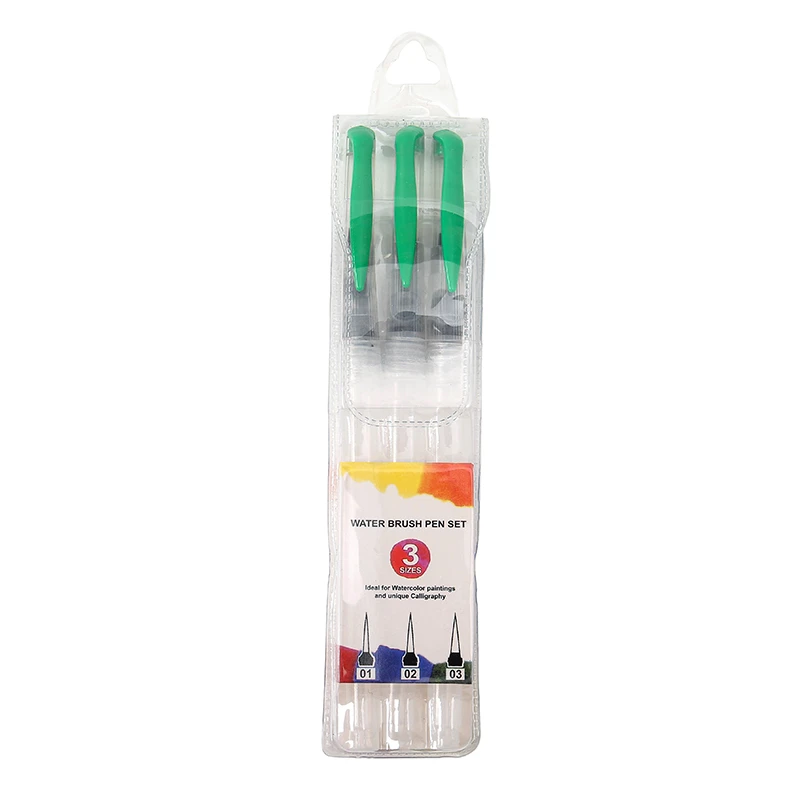
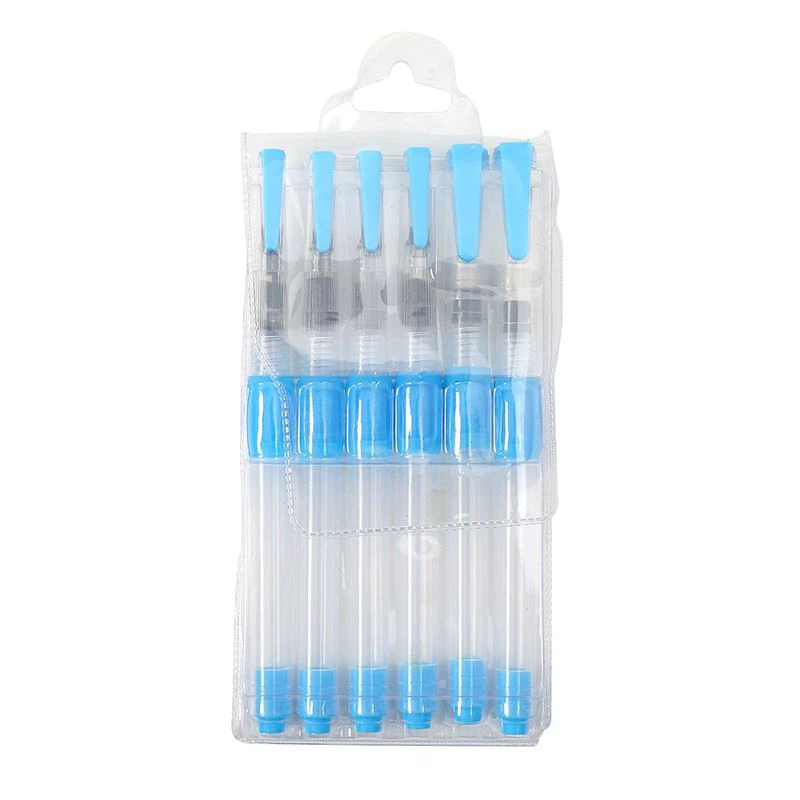
You can use paint pens to add decorative details to old furniture. For example, you could draw patterns or designs on a painted dresser or nightstand. The Best Watercolor Brush Paint Pens would be great for creating soft, artistic effects, while acrylic paint pens could be used for bold, bright colors.
Customizing Painted Wall Art
If you have a painted wall mural or canvas that you want to add some extra details to, paint pens are a great option. You can use them to add highlights, shadows, or small accents. The Watercolor Brush Paint Pens for Beginners are easy to use and can help you create beautiful watercolor effects on the painted surface.
Outdoor Signage
For outdoor signage, enamel paint pens are a good choice because they're durable and resistant to the elements. You can use them to paint letters, numbers, or designs on a painted signboard. The Water Brush Pen Painting techniques can also be applied to create unique and eye-catching outdoor signs.
Conclusion
So, do paint pens work on painted surfaces? The answer is yes, but it depends on several factors, such as the type of paint on the surface, the surface texture, and the age and condition of the paint. By following the tips I've shared and doing a test before starting your project, you can increase your chances of success.
If you're interested in purchasing paint pens for your next project, I'd love to hear from you. We offer a wide range of high-quality paint pens that are suitable for various surfaces and projects. Whether you're a professional artist or a DIY enthusiast, we have the right paint pen for you. Contact us to discuss your needs and start your next painted surface project with confidence.
References
- Manufacturer's guides for paint pens
- Personal experiences and observations as a paint pen supplier