What is the difference between a nail point drill pen and a regular drill?
Leave a message

Hey there! As a supplier of nail point drill pens, I've gotten tons of questions about how these cool tools stack up against regular drills. So, I thought I'd break it down for you in a way that's easy to understand.
Let's start with the basics. A regular drill is a common tool you might find in a toolbox at home or on a construction site. It's designed for heavy - duty tasks like drilling holes in wood, metal, or concrete. These drills usually have a pretty powerful motor and can handle a wide range of drill bits. They come in different sizes, from small handheld ones to big bench - mounted models.
On the other hand, a nail point drill pen is a specialized tool, mainly used in the beauty industry, especially for nail art and manicures. It's a lot smaller and more delicate compared to a regular drill.
Design and Size
The first obvious difference is the size. Regular drills are often bulky and can be quite heavy. They're built to withstand the force needed for tough materials. You've got to have a good grip on them to use them safely. For example, a corded drill for construction work can be as long as 10 - 12 inches and weigh a few pounds.

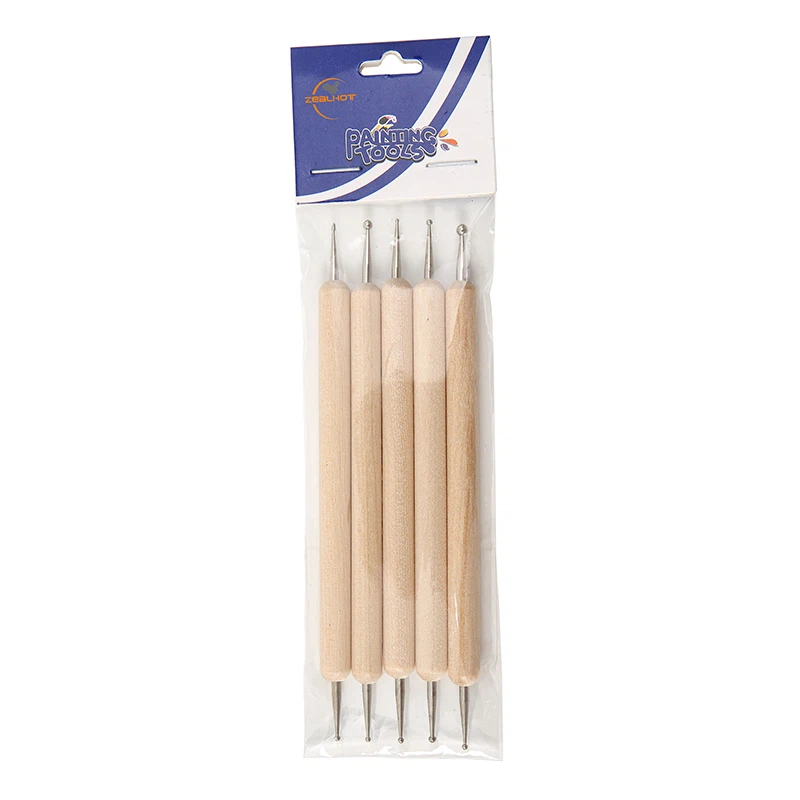
In contrast, a nail point drill pen is super compact. It's about the size of a pen, which makes it easy to hold and maneuver. You can use it with one hand, and it's very precise. This small size is crucial for nail technicians because they need to work on tiny nails without causing any damage. Check out our Durable Spiral Nail Drill Pen, which has a sleek and ergonomic design for easy handling.
Power and Speed
Regular drills are all about power. They can generate a high amount of torque, which is the force that rotates the drill bit. This allows them to drill through thick materials quickly. The speed of a regular drill can usually be adjusted, but even at the lowest setting, it's still pretty fast for nail work. Most regular drills can reach speeds of 500 - 3000 RPM (revolutions per minute).
Nail point drill pens, however, don't need that much power. They're designed to work on nails, which are much softer than wood or metal. The speed of a nail point drill pen is usually lower, typically ranging from 500 - 2000 RPM. This lower speed gives nail technicians more control over the tool, reducing the risk of hurting the client's nails or skin. Our Spiral Nail Drill Pen for Home Use has a variable speed control, so you can adjust it according to your needs.
Drill Bits
The drill bits used in regular drills and nail point drill pens are also very different. Regular drills use a variety of bits depending on the material they're drilling into. For wood, you might use a spade bit, while for metal, a twist bit is more suitable. These bits are usually made of high - speed steel or carbide for durability.
Nail point drill pens use specialized nail bits. These bits are much smaller and are designed to shape, file, and polish nails. They come in different shapes and sizes, such as cone - shaped bits for detailed work and barrel - shaped bits for larger areas. The materials used for nail bits are often gentle on nails, like ceramic or diamond - coated materials. Take a look at our Spiral Tip Nail Drill Pen, which comes with a set of high - quality nail bits.
Applications
Regular drills are used in a wide range of industries. In construction, they're used to build houses, install fixtures, and create holes for wiring. In woodworking, they're essential for making furniture and other wooden items. They can also be used in automotive repair and DIY projects around the house.
Nail point drill pens, as I mentioned earlier, are mainly used in the beauty industry. Nail technicians use them to prepare nails for manicures, remove gel polish, and create intricate nail designs. They're also popular among home users who like to do their own nails.
Safety
Safety is important when using any tool. With regular drills, you need to wear safety goggles to protect your eyes from flying debris, and gloves to protect your hands. Since they're powerful, there's a risk of the drill bit getting stuck or the drill kicking back, which can cause injuries.
Nail point drill pens are generally safer to use. The lower power and speed reduce the risk of serious injury. However, you still need to be careful. For example, if the drill bit is too sharp or used incorrectly, it can damage the nail or the skin around it. It's important to follow the instructions and use the right bit for the job.
Cost
Regular drills can vary in price depending on the brand, features, and power. A basic cordless drill for home use can cost around $30 - $50, while a high - end professional drill can cost several hundred dollars.
Nail point drill pens are usually more affordable. You can find a good quality nail point drill pen for around $20 - $50. This makes them accessible for both professional nail technicians and home users.
Maintenance
Regular drills require more maintenance. You need to clean the drill bit regularly to prevent rust and keep it sharp. The motor also needs to be lubricated and checked for any signs of wear and tear. If the drill has a battery, you need to charge it properly and replace it when it starts to lose its capacity.
Nail point drill pens are easier to maintain. You just need to clean the nail bits after each use and store them properly. The pen itself doesn't require much maintenance, as long as you use it according to the instructions.
In conclusion, while both regular drills and nail point drill pens are used for drilling, they're designed for very different purposes. A regular drill is a powerful workhorse for heavy - duty tasks, while a nail point drill pen is a precise and delicate tool for nail care.
If you're a nail technician or someone who loves doing their own nails at home, a nail point drill pen is a must - have. We offer a wide range of high - quality nail point drill pens at competitive prices. Whether you're looking for a durable option or one for home use, we've got you covered. If you're interested in purchasing our products or have any questions, feel free to reach out to us for a procurement discussion.
References
- General knowledge about tools and their applications
- Experience as a nail point drill pen supplier