What is the best way to label acrylic paint colors?
Leave a message

Hey there, fellow art enthusiasts! As a supplier of Acrylic Paint Color, I've seen firsthand how crucial it is to have a proper labeling system for these vibrant hues. In this blog post, I'm gonna share with you what I think is the best way to label acrylic paint colors.
Why Labeling Matters
First off, let's talk about why labeling your acrylic paint colors is so important. When you're in the middle of a creative project, you don't want to waste time trying to figure out which color is which. A well - labeled paint collection saves you time and frustration. It also helps you keep track of your inventory. You can easily see when you're running low on a particular color and restock in time.
The Basics of Labeling
There are a few basic elements that should be on every paint label. The most obvious one is the color name. This can be a standard color name like "Red," "Blue," or a more creative, brand - specific name. Along with the color name, you should also include a color code. A color code is a unique identifier for each color, which can be really helpful when you're ordering more paint or communicating with other artists.
Another important element is the brand and type of paint. For example, if you're using a high - quality professional grade acrylic paint, it's good to note that on the label. This way, you know exactly what you're working with and can expect consistent quality.
Different Labeling Techniques
Handwritten Labels
One of the simplest ways to label your acrylic paint is by using handwritten labels. You can use a permanent marker to write the color name and code directly on the paint container. This is a quick and easy method, but it might not be the most professional - looking. Also, the writing can fade over time, especially if the paint is exposed to light or moisture.
Printed Labels
Printed labels are a more professional option. You can use a label maker or a computer program to create custom labels. You can include all the necessary information, such as color name, code, brand, and even a small swatch of the color. Printed labels look neat and are more durable than handwritten ones. You can find pre - made label templates online or create your own from scratch.
Color Swatches
Adding color swatches to your labels is a great way to quickly identify the color without having to open the paint container. You can paint a small sample of the color on the label or use a piece of colored paper that matches the paint color. This is especially useful if you're working with a large collection of paints and need to find a specific shade quickly.
Industry Standards and Best Practices
In the art industry, there are some standards and best practices for labeling acrylic paint colors. Many paint manufacturers follow the Pantone Matching System (PMS) or other color - matching systems. These systems provide a universal way to identify colors, which is really helpful when you're trying to match colors across different brands or batches.
When creating your own labels, it's a good idea to follow these standards as much as possible. This way, you can ensure that your colors are consistent and that you can communicate effectively with other artists and suppliers.
Customizing Labels for Your Needs
As a supplier, I understand that every artist has different needs. Some artists might prefer more detailed labels, while others might just want a simple color name. That's why it's important to be able to customize your labels.
For example, if you're a portrait painter, you might want to label your skin - tone paints with more specific information, like the undertone (warm or cool) and the approximate skin type (light, medium, or dark). On the other hand, if you're a landscape painter, you might focus more on the natural elements the colors represent, like "Forest Green" or "Ocean Blue."

Considerations for Different Paint Containers
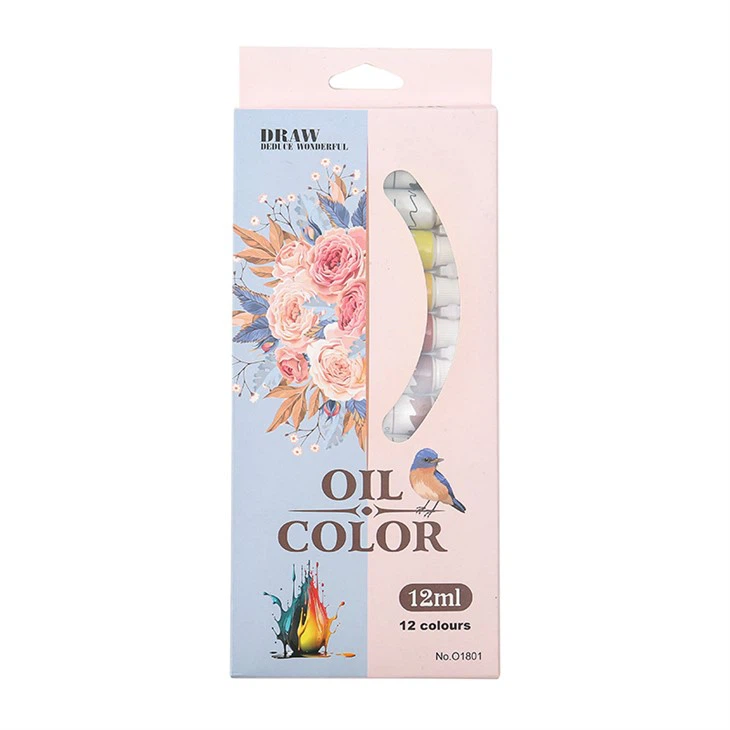
The type of paint container also matters when it comes to labeling. If you're using small tubes of paint, you might have limited space for labels. In this case, you can use a small, circular label that only includes the most essential information, like the color name and code.
For larger paint jars or bottles, you have more room to be creative. You can add more detailed labels, including color swatches and additional information about the paint.
The Role of Technology in Labeling
Technology has made labeling acrylic paint colors much easier. There are now apps that can help you create and manage your paint labels. These apps allow you to scan the paint containers, add color names and codes, and even create a digital inventory of your paint collection.
Some apps also have features that let you mix colors virtually and see the results before you actually start painting. This can be really useful when you're trying to create a custom color and need to know which base colors to use.
Conclusion
In conclusion, the best way to label acrylic paint colors depends on your personal preferences and needs. Whether you choose handwritten labels, printed labels, or a combination of both, the most important thing is to have a system that works for you. A well - labeled paint collection will make your creative process smoother and more enjoyable.
If you're interested in purchasing high - quality acrylic paint colors, we've got you covered. We also offer Oil Color Paint, Acrylic Paint And Medium, and Watercolor Solid Paint. If you have any questions or want to discuss your paint needs, feel free to reach out. We're always happy to help artists bring their visions to life.
References
- Artincontext.org. "The Importance of Color Labeling in Art Supplies."
- Artistsnetwork.com. "Tips for Organizing Your Paint Collection."
- Pms.com. "Pantone Color Matching System."