What is the best way to archive an oil color painting?
Leave a message

Hey there, art enthusiasts! As an oil color paint supplier, I've seen firsthand the passion and dedication that goes into creating stunning oil color paintings. But once the masterpiece is complete, the question arises: what's the best way to archive an oil color painting? In this blog post, I'll share some tips and tricks based on my experience in the industry.
First off, let's talk about why archiving your oil color painting is so important. Oil paintings are not only a reflection of your artistic talent but also a piece of history. They can hold sentimental value, and with proper archiving, they can last for generations. Plus, if you're an artist looking to build a portfolio or sell your work, having well - archived paintings is crucial.
Preparing the Painting for Archiving
Before you start the archiving process, you need to make sure your painting is in the best possible condition. This means letting it dry completely. Oil paint can take a long time to dry, sometimes months or even years depending on the thickness of the layers. You can test if it's dry by gently touching an inconspicuous area. If the paint doesn't stick to your finger, it's probably dry.
Once the painting is dry, it's a good idea to clean it gently. Use a soft, dry brush to remove any dust or debris. Avoid using water or cleaning solutions unless you're absolutely sure they won't damage the paint. If there are stubborn stains, it might be best to consult a professional art conservator.
Choosing the Right Materials
Now, let's get into the nitty - gritty of what materials you'll need for archiving.
Framing
A good frame not only enhances the appearance of your painting but also provides protection. When choosing a frame, opt for one made of archival - quality materials. These materials are acid - free, which means they won't react with the paint over time and cause damage. You can find frames at art supply stores or have them custom - made.
Matting
Matting is another important element. It creates a barrier between the painting and the glass or frame, preventing any potential damage from contact. Like the frame, the mat should also be acid - free. You can choose different colors and styles of matting to complement your painting.
Glass or Acrylic
For the front of the frame, you have two main options: glass or acrylic. Glass is the traditional choice and offers good clarity. However, it's heavy and can break easily. Acrylic, on the other hand, is lightweight and shatter - resistant. It also has anti - glare properties, which can be great if you plan to display the painting in a bright area. Just make sure to clean acrylic with a non - abrasive cleaner to avoid scratching.
Storage Conditions
Even after you've framed and matted your painting, proper storage is key.
Temperature and Humidity
Oil paintings are sensitive to changes in temperature and humidity. Ideally, you should store your painting in an environment with a stable temperature between 65°F and 75°F (18°C - 24°C) and a relative humidity of around 40% - 60%. Fluctuations in these conditions can cause the paint to crack, warp, or peel. You can use a hygrometer to monitor the humidity in the storage area.
Light Exposure
Exposure to direct sunlight or strong artificial light can fade the colors of your oil painting over time. If you're displaying the painting, choose a location away from windows or use UV - blocking glass or acrylic. When storing the painting, keep it in a dark place or cover it with a light - blocking cloth.
Handling
When handling your oil painting, always use clean hands or wear cotton gloves. Avoid touching the painted surface directly, as the oils from your skin can damage the paint. If you need to move the painting, hold it by the frame or the edges of the canvas.
Alternative Painting Mediums and Their Archiving
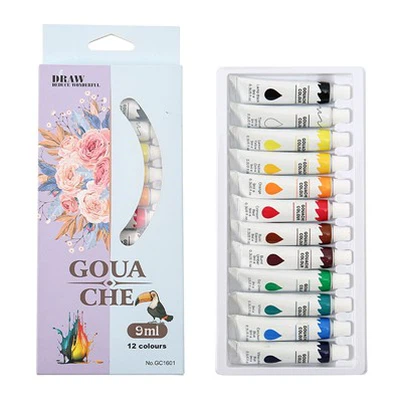
As an oil color paint supplier, I also want to touch on other painting mediums and how they compare in terms of archiving. You might be interested in Gouache Color Paint, which is a water - based paint. Gouache paintings are generally quicker to dry than oil paintings, but they can be more prone to fading. When archiving gouache paintings, similar principles apply, such as using acid - free materials and controlling the storage environment.
Acrylic Paint On Wood is another popular choice. Acrylic paint dries quickly and is more durable than gouache in some ways. However, wood can expand and contract with changes in humidity, so it's important to make sure the wood is properly sealed and the painting is stored in a stable environment.
Acrylic Paint for Glassware is a unique medium. When archiving glassware with acrylic paint, you need to be careful not to scratch the painted surface. You can store it in a padded container to prevent any damage.


Conclusion
Archiving an oil color painting is a multi - step process that requires attention to detail and the right materials. By following these tips, you can ensure that your painting remains in excellent condition for years to come. Whether you're an artist, a collector, or someone who just wants to preserve a special piece of art, proper archiving is essential.
If you're in the market for high - quality oil color paint or have any questions about archiving your paintings, I'd love to hear from you. Reach out to us for a chat about your needs, and we can work together to find the best solutions for your art projects.
References
- "The Care and Handling of Art" by various authors
- "Conservation of Paintings" published by a leading art conservation institute