What is a modern easel design?
Leave a message

In the dynamic world of art, the easel stands as an indispensable tool, serving as the steadfast support for an artist's creative vision. As an easel supplier, I've witnessed firsthand the evolution of easel design, which has adapted to the diverse needs of modern artists. In this blog, we'll explore what constitutes a modern easel design, highlighting its key features, innovative aspects, and how it caters to contemporary artistic practices.
The Foundation of Modern Easel Design: Functionality and Adaptability
At the core of modern easel design is functionality. A modern easel must be able to accommodate a wide range of artistic materials and techniques. Whether you're working with oil paints, watercolors, charcoal, or digital tablets, the easel should provide a stable and adjustable platform. For instance, many modern easels feature adjustable height settings, allowing artists to work in a comfortable position, whether standing or sitting. This adaptability is crucial for preventing fatigue during long painting sessions.
Another important aspect of functionality is the ability to hold different sizes and types of canvases. Modern easels are designed with adjustable arms and clamps that can securely grip canvases of various dimensions, from small sketchbooks to large canvases. Some easels even come with additional attachments for holding palettes, brushes, and other art supplies, keeping everything within easy reach.
Ergonomics: A Key Consideration in Modern Easel Design
Ergonomics plays a significant role in modern easel design. Artists spend hours in front of their easels, and a poorly designed easel can lead to discomfort and even long-term health problems. A modern easel is designed to minimize strain on the artist's body. It typically has a balanced weight distribution, ensuring that it doesn't tip over easily, even when the canvas is large or heavy.
The height and angle adjustments of a modern easel are also designed with ergonomics in mind. Artists can adjust the easel to the perfect height and angle for their line of sight, reducing neck and back strain. Some easels even have padded handles or grips, making it more comfortable to hold and adjust the easel.
Portability: Meeting the Needs of On-the-Go Artists
In today's fast-paced world, many artists like to work outdoors or in different locations. This has led to a growing demand for portable easels. A modern portable easel is lightweight, easy to assemble, and disassemble, and can be carried in a backpack or a small case.
There are several types of portable easels available on the market. For example, the Small Blackboard with Easel is a compact and lightweight option that is perfect for sketching and small paintings. It can be easily set up on a table or a flat surface, and it comes with a built-in blackboard for quick sketches.
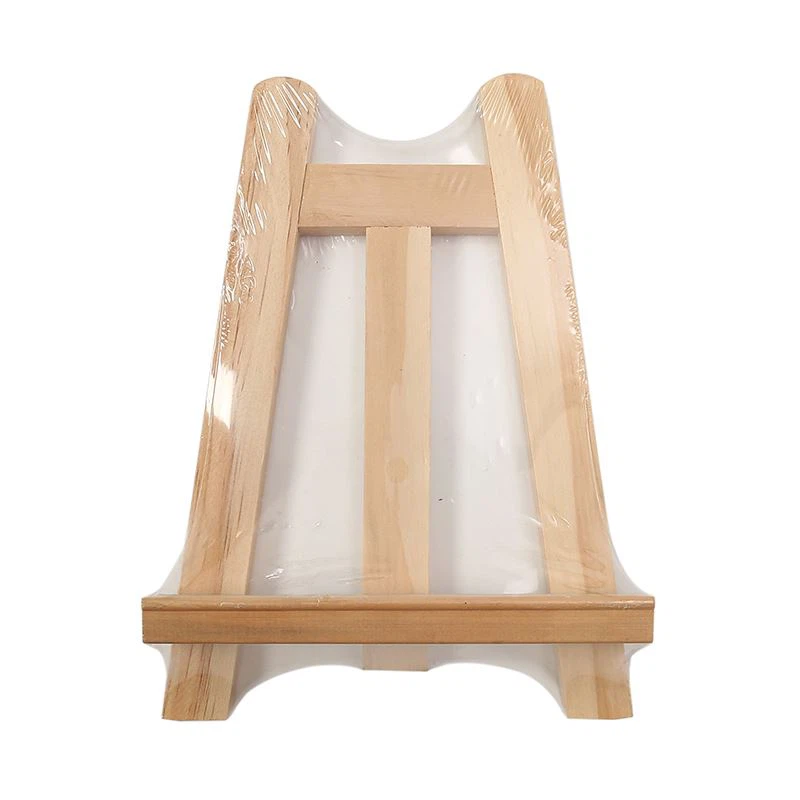
Another popular option is the Triangle Woood Small Table Easel. This easel is made of high-quality wood and has a triangular design that provides stability. It is lightweight and can be easily transported in a car or a backpack.
Aesthetics: Blending Style with Function
In addition to functionality and portability, modern easel design also takes aesthetics into account. An easel is not just a tool; it is also a part of the artist's workspace. A well-designed easel can add a touch of style and elegance to the studio or the outdoor painting location.
Many modern easels are made of high-quality materials, such as wood, metal, or a combination of both. These materials not only provide durability but also have a beautiful appearance. Some easels have a sleek and modern design, while others have a more traditional and rustic look. The choice of easel depends on the artist's personal style and preferences.
Technological Integration: The Future of Easel Design
As technology continues to advance, we are seeing more and more easels that integrate with digital devices. For example, some easels come with built-in tablet holders, allowing artists to use digital drawing tablets or smartphones in conjunction with traditional art materials. This combination of traditional and digital art techniques opens up new possibilities for creativity.

In addition, there are also easels that are equipped with sensors and smart features. These easels can adjust the height and angle automatically based on the artist's movement, providing a more comfortable and efficient working experience. Some easels even have built-in lighting systems, which can be adjusted to provide the perfect amount of light for painting.
Conclusion: The Importance of Choosing the Right Easel
In conclusion, a modern easel design is a combination of functionality, adaptability, ergonomics, portability, aesthetics, and technological integration. As an easel supplier, I understand the importance of providing artists with high-quality easels that meet their diverse needs. Whether you're a professional artist or a beginner, choosing the right easel can make a significant difference in your artistic experience.
If you're interested in exploring our range of modern easels or have any questions about easel design, please don't hesitate to contact us. We're here to help you find the perfect easel for your creative journey.
References
- "The Art of Easels: A Comprehensive Guide to Choosing the Right One" by John Smith
- "Modern Easel Design: Trends and Innovations" by Jane Doe
- "Ergonomics in the Art Studio: How to Choose an Easel for Comfort and Productivity" by Tom Johnson