What elements make up a summer - themed acrylic painting on wood?
Leave a message

Summer is a season brimming with vibrant energy, warm sunshine, and a plethora of natural beauty. When it comes to creating a summer - themed acrylic painting on wood, several key elements can bring the essence of this lively season to life. As a supplier of acrylic paint on wood, I've witnessed firsthand how these elements can transform a simple wooden panel into a captivating summer masterpiece.
Color Palette
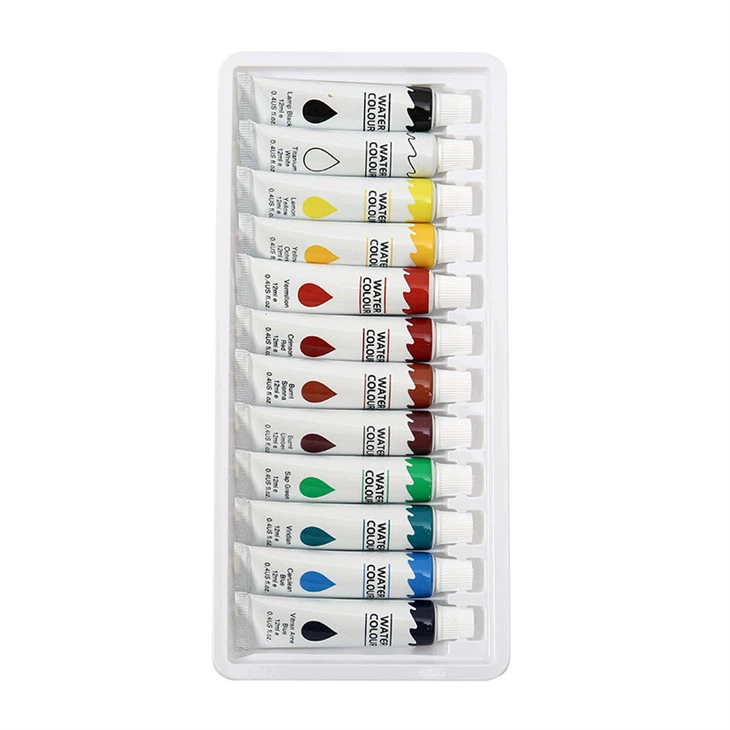
The color palette is the foundation of any summer - themed acrylic painting on wood. Bright and cheerful colors are essential to capture the spirit of summer. Warm hues like yellows, oranges, and reds can represent the sun's radiant heat. For instance, a vivid yellow can mimic the golden rays of the mid - day sun, while a deep orange can evoke the warmth of a summer sunset.
Blues and greens are also crucial for a summer painting. Light blues can depict the clear summer sky or the calm waters of a lake, while various shades of green can represent lush foliage, grass, and trees. These cool colors provide a refreshing contrast to the warm tones, creating a balanced and visually appealing composition.
When choosing acrylic paint colors, it's important to consider the undertones. Some blues may have a green undertone, while some yellows may lean towards orange. Mixing complementary colors can also add depth and dimension to the painting. For more inspiration on color selection, you can visit Acrylic Paint Color.
Subject Matter
The subject matter of a summer - themed acrylic painting on wood is what tells the story of the season. There are numerous options to choose from, each with its own unique charm.
Beach Scenes
Beach scenes are a classic summer subject. You can paint the sandy shore, with its soft, golden grains stretching towards the horizon. The crashing waves, with their white - capped crests, can add movement and energy to the painting. Palm trees swaying in the breeze, beach umbrellas providing shade, and people enjoying the sun and surf can all be incorporated to make the scene more lively and engaging.
Gardens
Summer gardens are a riot of colors and scents. Paint a garden filled with blooming flowers such as roses, sunflowers, and lilies. The vibrant petals, along with the green leaves and stems, can create a visually stunning composition. Butterflies flitting from flower to flower and bees buzzing around can add an element of life and activity to the garden scene.
Picnics
A summer picnic in a meadow or park is another great subject. You can paint a checkered blanket spread out on the grass, with a basket filled with delicious food and drinks. People sitting around, laughing and enjoying each other's company, can capture the relaxed and joyous atmosphere of summer picnics.
Texture
Texture plays an important role in acrylic paintings on wood. It can add a tactile quality to the artwork, making it more interesting to look at.
Thick Layers of Paint
Applying thick layers of acrylic paint, also known as impasto, can create a three - dimensional effect. For example, when painting waves, thick strokes of paint can mimic the volume and movement of the water. The rough texture can also add a sense of drama and energy to the painting.
Dry Brushing
Dry brushing is a technique where you use a small amount of paint on a dry brush. This can be used to create fine details, such as the veins on leaves or the texture of sand. It adds a delicate and subtle texture to the painting.
Stenciling
Stenciling can be used to add patterns and textures to the background or certain elements of the painting. For instance, you can use a stencil to create a pattern of clouds in the sky or a pattern of fish scales on a painted fish.
Composition
The composition of a summer - themed acrylic painting on wood determines how the elements are arranged on the wooden panel. A well - composed painting can draw the viewer's eye and create a sense of balance and harmony.
Rule of Thirds
The rule of thirds is a fundamental composition principle. Imagine dividing the wooden panel into a grid of nine equal parts using two horizontal and two vertical lines. Placing important elements of the painting, such as the focal point, along these lines or at their intersections can create a more balanced and visually appealing composition. For example, if you're painting a beach scene, you might place the horizon line along one of the horizontal lines and a palm tree at one of the intersections.
Leading Lines
Leading lines are lines in the painting that guide the viewer's eye towards the focal point. In a summer painting, a path in a garden, the edge of a beach, or the lines of a pier can act as leading lines. They create a sense of depth and movement in the painting.
Symmetry and Asymmetry
Symmetry can create a sense of stability and order in a painting. For example, a symmetrical arrangement of flowers in a garden can give a formal and balanced look. On the other hand, asymmetry can add a sense of dynamism and spontaneity. An asymmetrical arrangement of people in a picnic scene can make the painting look more natural and relaxed.
Lighting
Lighting is what gives a summer - themed acrylic painting on wood its mood and atmosphere. Summer is known for its bright and sunny days, so capturing the effects of light is crucial.
Direct Sunlight
Direct sunlight can create strong contrasts between light and shadow. When painting a summer scene, you can use light colors to represent the areas hit by direct sunlight and darker colors for the shadows. For example, on a beach, the sand in the sunlight can be painted with a light yellow, while the shadows under beach umbrellas can be a darker shade of brown.
Diffused Light
Diffused light, such as on an overcast summer day, creates softer shadows and a more even distribution of light. This can be used to create a more peaceful and serene atmosphere in the painting. For instance, when painting a garden on a cloudy day, the colors of the flowers and leaves can appear more muted and gentle.
Background and Foreground
Creating a sense of depth in a summer - themed acrylic painting on wood can be achieved by properly handling the background and foreground.
Background
The background should be painted with less detail and lighter colors to give the illusion of distance. In a beach scene, the background might be the distant horizon, with a lighter blue sky and a hazy view of the sea. The background sets the context for the painting and helps to establish the overall mood.
Foreground
The foreground is where the main action or focal point of the painting usually lies. It should be painted with more detail and darker colors to create a sense of closeness. In a garden scene, the foreground might be a group of flowers up close, with their petals and leaves painted in fine detail.
Finishing Touches
Once the main elements of the summer - themed acrylic painting on wood are in place, some finishing touches can enhance the overall look of the artwork.

Glazing
Glazing is a technique where a thin layer of transparent paint is applied over the dry painting. This can add a sense of depth and richness to the colors. For example, you can use a glazing technique to add a subtle sheen to the water in a beach scene.
Highlights and Shadows
Adding final highlights and shadows can bring out the details and make the painting more three - dimensional. A small amount of white paint can be used for highlights, while a darker shade of the existing color can be used for shadows.
As a supplier of acrylic paint on wood, I understand the importance of these elements in creating a successful summer - themed painting. Our high - quality acrylic paints are specifically formulated for use on wood, providing excellent coverage, durability, and color vibrancy. Whether you're a professional artist or a hobbyist, our products can help you bring your summer - themed ideas to life.
If you're interested in purchasing our acrylic paint on wood for your next summer - themed project, we'd love to have a discussion with you. Contact us to start a procurement negotiation and let's create beautiful summer art together.
References
- "Acrylic Painting Techniques" by Betty Edwards
- "The Art of Composition" by John Daub
- "Color Theory for Artists" by Faber Birren