

What are the tips for beginners using watercolor paint?
Leave a message

Watercolor painting is a captivating and rewarding art form that allows artists to create beautiful, translucent, and fluid works of art. As a watercolor paint supplier, I've had the privilege of witnessing many beginners embark on their watercolor journey. In this blog post, I'll share some essential tips for beginners using watercolor paint, from choosing the right materials to mastering basic techniques.
Choosing the Right Watercolor Paints
When starting with watercolor, selecting the right paints is crucial. Here are some factors to consider:
- Quality: Invest in high-quality watercolor paints. They offer better pigmentation, lightfastness, and blending capabilities. Brands like Winsor & Newton, Daniel Smith, and Schmincke are well-regarded for their quality.
- Type: Watercolor paints come in different forms, including tubes, pans, and liquid. Tubes are great for large areas and mixing, while pans are portable and convenient for on-the-go painting. Liquid watercolors are easy to use and can be diluted for different effects.
- Color Selection: Start with a basic color palette that includes primary colors (red, yellow, and blue), secondary colors (orange, green, and purple), and some earth tones. You can expand your palette as you gain more experience.
Selecting the Right Paper
The paper you choose can significantly impact the outcome of your watercolor painting. Here are some tips for selecting the right paper:
- Weight: Watercolor paper comes in different weights, typically measured in pounds (lb) or grams per square meter (gsm). Heavier papers (140 lb or 300 gsm) are more durable and can withstand multiple layers of paint without warping.
- Texture: Watercolor paper has different textures, including smooth, cold press, and hot press. Smooth paper is ideal for detailed work, while cold press paper has a slightly textured surface that allows for more absorbency and interesting brushstrokes. Hot press paper has a very smooth surface and is suitable for precise, detailed paintings.
- Acid-Free: Choose acid-free watercolor paper to ensure the longevity of your paintings. Acidic paper can yellow and deteriorate over time.
Essential Tools for Watercolor Painting
In addition to paints and paper, there are several essential tools that every beginner watercolor artist should have:
- Brushes: Invest in a variety of high-quality brushes in different sizes and shapes. Round brushes are versatile and can be used for both detailed work and larger areas. Flat brushes are great for covering large surfaces quickly.
- Palette: A palette is used to mix your watercolor paints. You can use a traditional ceramic or plastic palette, or you can use a disposable palette pad.
- Water Container: You'll need a container of clean water to rinse your brushes between colors. A small jar or a palette with a built-in water well works well.
- Paper Towels or Rag: Keep a paper towel or rag handy to blot excess water from your brushes and to absorb any spills.
Mastering Basic Watercolor Techniques
Once you have your materials and tools, it's time to start learning some basic watercolor techniques. Here are some techniques that every beginner should master:
- Wet-on-Wet: Wet-on-wet is a technique where you apply wet paint to wet paper. This creates soft, blended edges and a more organic look. To do this, wet your paper with clean water using a brush or a spray bottle. Then, apply your paint to the wet paper and watch it blend and spread.
- Dry Brush: Dry brush is a technique where you use a dry brush with a small amount of paint to create texture and detail. To do this, dip your brush in paint and then wipe off most of the paint on a paper towel or rag. Then, lightly drag the brush across the paper to create a dry, scratchy effect.
- Lifting and Bleeding: Lifting is a technique where you remove paint from the paper using a clean, damp brush or a paper towel. This can be used to create highlights or to correct mistakes. Bleeding is a technique where you apply a wet area of paint next to a dry area of paint, causing the wet paint to bleed into the dry paint. This can create interesting effects and add depth to your painting.
- Layering: Layering is a technique where you apply multiple layers of paint to create depth and richness in your painting. To do this, allow each layer of paint to dry completely before applying the next layer. You can use different colors and techniques to create a variety of effects.
Tips for Mixing Colors
Mixing colors is an essential skill in watercolor painting. Here are some tips for mixing colors:
- Start with a Small Amount: When mixing colors, start with a small amount of paint and gradually add more until you achieve the desired color. It's easier to add more paint than to remove it.
- Use a Palette Knife: A palette knife can be used to mix colors more thoroughly and to create different textures and effects.
- Mix on a Clean Palette: Make sure your palette is clean before you start mixing colors. This will prevent any unwanted color contamination.
- Keep a Color Chart: Keeping a color chart can help you remember which colors you mixed and how to reproduce them. You can create a simple color chart by painting swatches of different colors on a piece of paper and labeling them.
Tips for Creating a Composition
A good composition is essential for creating a successful watercolor painting. Here are some tips for creating a composition:

- Use the Rule of Thirds: The rule of thirds is a composition technique where you divide your painting into a 3x3 grid and place your main subject at one of the intersection points. This creates a more balanced and visually appealing composition.
- Create a Focal Point: A focal point is the area of your painting that draws the viewer's attention. You can create a focal point by using contrast, color, or size.
- Use Leading Lines: Leading lines are lines in your painting that lead the viewer's eye to the focal point. You can use natural lines, such as roads or rivers, or you can create artificial lines using brushstrokes or other elements.
- Add Depth and Perspective: Adding depth and perspective to your painting can make it more realistic and engaging. You can use techniques such as overlapping, size variation, and color temperature to create depth and perspective.
Tips for Avoiding Common Mistakes
As a beginner, it's normal to make some mistakes when using watercolor paint. Here are some common mistakes to avoid:
- Overworking the Painting: Overworking the painting can cause it to become muddy and lose its freshness. Try to work quickly and confidently, and don't be afraid to make mistakes.
- Using Too Much Water: Using too much water can cause the paint to spread too much and lose its definition. Make sure you use the right amount of water for the technique you're using.
- Not Letting the Paint Dry: Not letting the paint dry completely between layers can cause the colors to mix and become muddy. Make sure you allow each layer of paint to dry completely before applying the next layer.
- Using the Wrong Brush: Using the wrong brush for the technique you're using can make it difficult to achieve the desired effect. Make sure you choose the right brush for the job.
Conclusion
Watercolor painting is a beautiful and rewarding art form that anyone can learn. By following these tips for beginners, you'll be well on your way to creating beautiful watercolor paintings. Remember to practice regularly, experiment with different techniques and materials, and have fun!
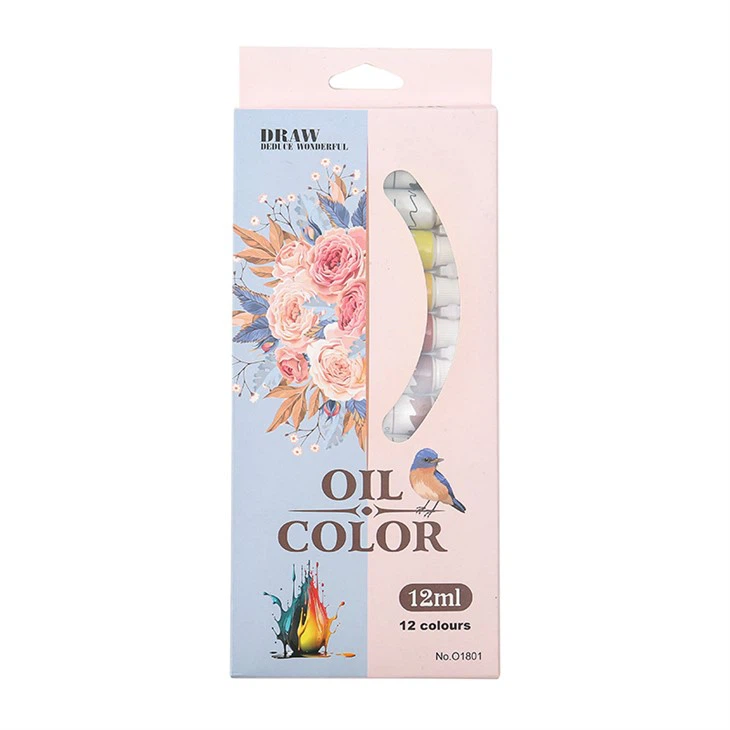
If you're interested in purchasing high-quality watercolor paints, Oil Color Paint, Acrylic Paint for Glassware, or Gouache Color Paint, please feel free to contact us for more information and to discuss your procurement needs. We're here to help you find the perfect products for your artistic endeavors.
References
- "The Complete Guide to Watercolor Painting" by Sally Jean Alexander
- "Watercolor for Beginners" by Alphonse Legros
- "Mastering Watercolor" by Joseph Zbukvic


