What are the environmental impacts of painting clothes?
Leave a message

Hey there! I'm a supplier of painting clothes, and I've been thinking a lot about the environmental impacts of what we do. You know, when we talk about painting clothes, it might seem like a small thing in the grand scheme of environmental issues, but it actually has some pretty significant effects.
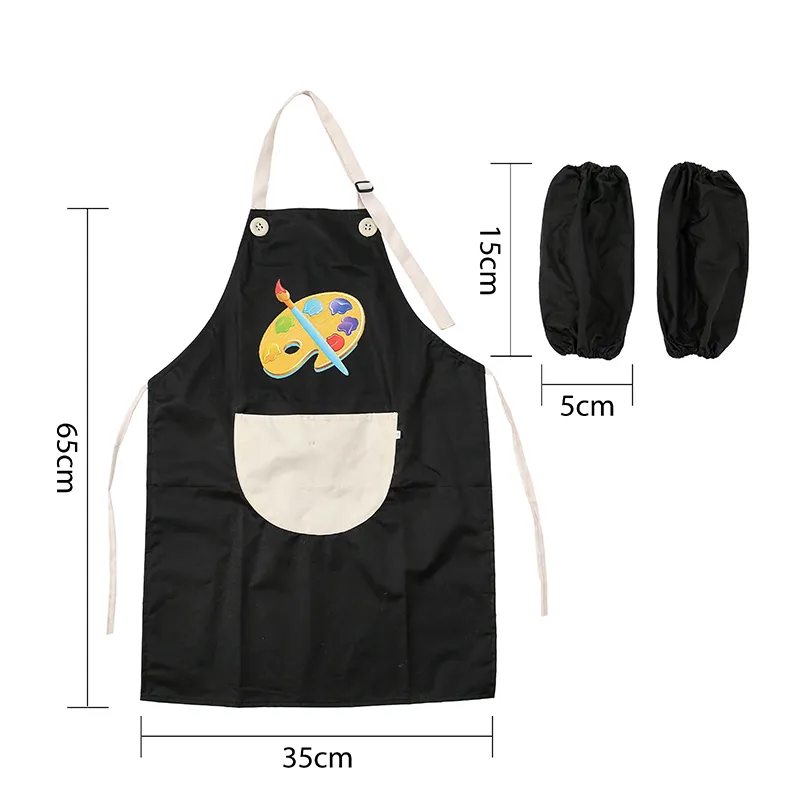

Let's start with the materials used to make painting clothes. Most of the time, we're looking at synthetic fabrics like polyester or nylon. These materials are popular because they're durable, water - resistant, and can stand up to paint splashes. But the problem with synthetics is that they're made from petrochemicals. The process of extracting and refining these petrochemicals is energy - intensive and releases a ton of greenhouse gases into the atmosphere. For example, the production of polyester requires a lot of oil, and extracting oil involves drilling, which can lead to oil spills and habitat destruction. And once these synthetic fabrics end up in landfills, they don't break down easily. In fact, it can take hundreds of years for them to decompose, contributing to the ever - growing problem of landfill waste.
Another aspect is the dyes and chemicals used in the manufacturing of painting clothes. To make the clothes resistant to paint or to give them certain colors, we often use a variety of chemicals. Some of these chemicals, like heavy metals in dyes, can be toxic. When these clothes are being produced, the wastewater from the dyeing and finishing processes is often released into water bodies. This can contaminate rivers, lakes, and even groundwater, harming aquatic life and making the water unsafe for human use. For instance, lead and mercury in dyes can bioaccumulate in fish, and when humans consume these contaminated fish, it can cause serious health problems.
As a painting clothes supplier, I'm also aware of the packaging. We usually use plastic bags or cardboard boxes to package our products. Plastic bags are a huge environmental concern. They're made from non - renewable resources and are often single - use. Most of them end up in the ocean, where they can choke marine animals or break down into microplastics, which are then ingested by small organisms and can eventually enter the human food chain. Cardboard, on the other hand, is a more sustainable option, but the production of cardboard still requires a significant amount of water and energy, and deforestation is often involved in getting the raw materials.
Now, let's talk about the transportation of painting clothes. We ship our products all over the world to meet the demand of our customers. Whether it's by truck, ship, or plane, all forms of transportation emit greenhouse gases. Trucks running on diesel fuel are a major source of air pollution, releasing particulate matter, nitrogen oxides, and carbon monoxide. Shipping containers on large cargo ships also burn heavy fuel oil, which is one of the most polluting fuels out there. And air freight, although it's the fastest way to deliver products, has an extremely high carbon footprint due to the large amount of fuel burned per unit of cargo.
But it's not all doom and gloom. There are some steps that we, as a painting clothes supplier, can take to reduce our environmental impact. One of the things we're doing is exploring more sustainable materials. We're looking into using organic cotton, which is grown without the use of synthetic pesticides and fertilizers. Organic cotton is more environmentally friendly as it reduces the amount of chemical pollution in the soil and water. It also uses less water compared to conventional cotton farming. We're also considering using recycled materials, like recycled polyester, which is made from post - consumer plastic bottles. This not only reduces the demand for new petrochemicals but also helps to divert plastic waste from landfills.
In terms of the dyes and chemicals, we're trying to switch to more eco - friendly alternatives. There are natural dyes available that are made from plants, fruits, and vegetables. These dyes are non - toxic and biodegradable, which means they won't cause as much harm to the environment. We're also working on improving our manufacturing processes to reduce the amount of wastewater and chemical waste generated.
For packaging, we're gradually phasing out plastic bags and replacing them with biodegradable or compostable alternatives. We're also looking at ways to reduce the amount of packaging material used without compromising the protection of the products. For example, we can use smaller boxes or more efficient packing methods.
When it comes to transportation, we're trying to optimize our shipping routes to reduce the distance traveled. We're also considering using more fuel - efficient vehicles and exploring the possibility of carbon offset programs. By planting trees or investing in renewable energy projects, we can offset the carbon emissions generated by our transportation activities.
Now, if you're interested in our painting clothes, we have a great range of products for children. Check out our Children's Painting Safety Clothes, Children's Artist Waterproof Painting Aprons, and Children's Long Sleeve Waterproof Painting Clothes. These products are not only functional but also designed with the environment in mind.
If you're a retailer or an individual looking to purchase our painting clothes, we're open for business. We can offer you competitive prices and high - quality products. Whether you're a school looking for painting clothes for art classes or a parent wanting to protect your child's clothes during painting sessions, we've got you covered. Just reach out to us, and we can start the procurement negotiation process.
References
- EPA. (2023). The Environmental Impact of Synthetic Fabrics. United States Environmental Protection Agency.
- World Bank. (2022). Water Pollution from Textile Dyeing. World Bank Publications.
- International Air Transport Association. (2023). Carbon Emissions in Air Freight. IATA Reports.