What are the benefits of using eco - friendly paint?
Leave a message

In today's world, where environmental concerns are at the forefront of global discussions, the demand for sustainable and eco - friendly products has been on the rise. As a paint supplier, I have witnessed firsthand the growing interest in eco - friendly paint. This shift is not only a response to environmental awareness but also due to the numerous benefits that eco - friendly paint offers.
Environmental Benefits
One of the most significant advantages of using eco - friendly paint is its positive impact on the environment. Traditional paints often contain high levels of volatile organic compounds (VOCs). VOCs are chemicals that can evaporate into the air at room temperature, contributing to air pollution. They are known to react with sunlight and other pollutants in the atmosphere, forming ground - level ozone, which is a major component of smog.
Eco - friendly paints, on the other hand, are formulated with low or zero VOCs. This means that when they are applied, they release far fewer harmful chemicals into the air. For instance, water - based eco - friendly paints are a popular choice as they use water as a solvent instead of harsh chemicals. By reducing VOC emissions, eco - friendly paint helps to improve outdoor air quality, which is crucial for the health of the planet and all its inhabitants.
Moreover, the production process of eco - friendly paint is generally more sustainable. Many eco - friendly paint manufacturers source their raw materials from renewable resources. For example, some paints are made from natural resins derived from plants, such as linseed oil or soybean oil. Using renewable resources reduces the dependence on non - renewable fossil fuels, which are finite and have a significant environmental impact during extraction and processing.
Health Benefits
The health benefits of eco - friendly paint are substantial, especially for those who are sensitive to chemicals or have respiratory issues. When traditional paints with high VOCs are applied, they can release a strong odor that can cause headaches, dizziness, and irritation to the eyes, nose, and throat. Prolonged exposure to VOCs has also been linked to more serious health problems, including damage to the liver, kidneys, and central nervous system.
Eco - friendly paint, with its low or zero VOC content, significantly reduces these health risks. This is particularly important in indoor spaces such as homes, offices, and schools. In homes, where people spend a significant amount of time, using eco - friendly paint can create a healthier living environment, especially for children, the elderly, and those with pre - existing health conditions. For schools, it ensures that students and teachers are not exposed to harmful chemicals while they are learning and working.
In addition to reducing chemical exposure, eco - friendly paint is often hypoallergenic. This means that it is less likely to cause allergic reactions in people with sensitive skin or allergies. Some eco - friendly paints are also free from other potentially harmful substances such as heavy metals, like lead and mercury, which can be found in some traditional paints.
Performance Benefits
Contrary to the misconception that eco - friendly paint sacrifices performance for environmental and health benefits, many eco - friendly paints offer excellent performance. They are available in a wide range of finishes, including matte, satin, and gloss, just like traditional paints. This allows consumers to choose the finish that best suits their aesthetic preferences and the requirements of the surface they are painting.
Eco - friendly paints also have good adhesion and durability. They can withstand normal wear and tear, making them suitable for both interior and exterior applications. For exterior painting, eco - friendly paints can resist weathering, UV rays, and moisture, ensuring that the painted surface remains in good condition for a long time. For interior painting, they can resist stains and scratches, maintaining a fresh and clean appearance.
Some eco - friendly paints even have additional performance features. For example, there are eco - friendly paints that have antibacterial properties, which can help to keep surfaces clean and reduce the spread of germs. These paints are ideal for use in kitchens, bathrooms, and hospitals.
Aesthetic Benefits
Eco - friendly paint offers a wide range of color options, allowing for endless creative possibilities. Whether you are looking for bold and vibrant colors or soft and neutral tones, you can find an eco - friendly paint that meets your aesthetic needs. You can visit Acrylic Paint On Wood for some great ideas on using eco - friendly acrylic paints for wood surfaces, which can create unique and beautiful effects.
Moreover, eco - friendly paint can enhance the overall look of a space. Since it is often made with high - quality ingredients, it can provide a smooth and even finish. This gives the painted surface a professional and polished appearance, whether it is a wall in a living room or a piece of furniture. You can also explore Watercolor Paint Ideas to get inspired by the different ways you can use eco - friendly watercolor paints to add a touch of artistry to your projects.
Cost - effectiveness
While eco - friendly paint may have a slightly higher upfront cost compared to some traditional paints, it can be more cost - effective in the long run. Due to its durability, eco - friendly paint often lasts longer, which means that you won't have to repaint as frequently. This saves money on paint and labor costs over time.
In addition, some governments and local authorities offer incentives for using eco - friendly products, including paint. These incentives can come in the form of tax credits or rebates, which can offset the initial higher cost of eco - friendly paint.
Industry Trends and Market Demand
The market for eco - friendly paint is growing rapidly as more consumers become aware of the benefits. This trend is being driven by both individual consumers and businesses. Many businesses, especially those in the hospitality and real estate sectors, are choosing to use eco - friendly paint to meet the growing demand from environmentally conscious customers. For example, hotels are using eco - friendly paint to create a healthy and sustainable environment for their guests, which can enhance their brand image.
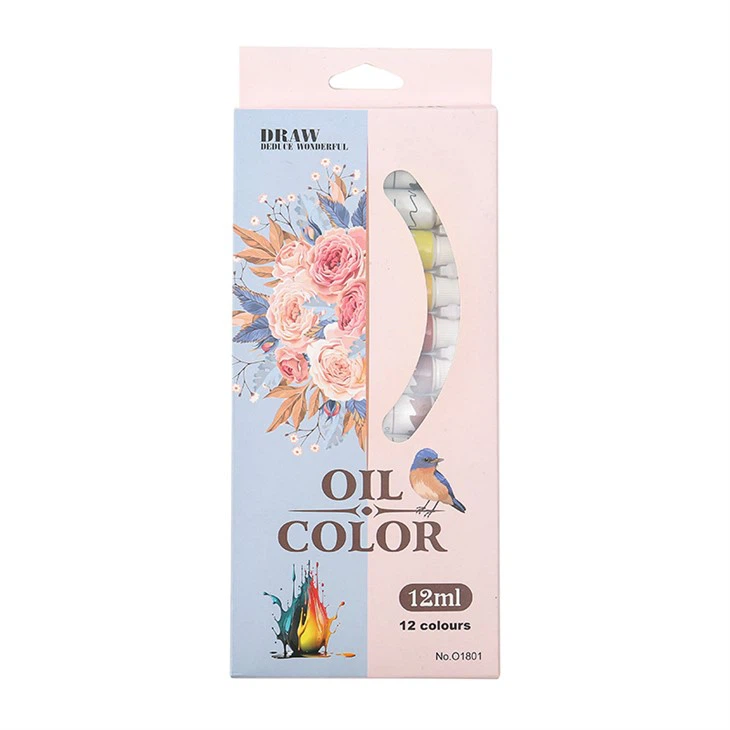
As a paint supplier, I have seen an increasing number of customers asking for eco - friendly options. This has led to a wider variety of eco - friendly paints being available in the market. We now offer a range of eco - friendly paints, including Oil Color Paint, which provides a rich and traditional look while still being environmentally friendly.

Conclusion
The benefits of using eco - friendly paint are clear. From its positive impact on the environment and human health to its excellent performance, aesthetic appeal, and cost - effectiveness, eco - friendly paint is a smart choice for both consumers and businesses. As a paint supplier, I am committed to providing high - quality eco - friendly paint options to meet the growing demand.
If you are interested in learning more about our eco - friendly paint products or would like to discuss a potential purchase, I encourage you to reach out. We can provide you with detailed information about our products, including their features, benefits, and pricing. Let's work together to create a more sustainable and beautiful world through the use of eco - friendly paint.
References
- American Lung Association. (2023). "Volatile Organic Compounds (VOCs)".
- Environmental Protection Agency. (2023). "Indoor Air Quality and Paints".
- Green Seal. (2023). "Standards for Sustainable Paints".