What acrylic paint colors are used in street art?
Leave a message

Street art has become a vibrant and influential form of self - expression, transforming urban landscapes into open - air galleries. Acrylic paint is one of the most popular mediums used by street artists due to its quick - drying nature, durability, and wide range of available colors. As an Acrylic Paint Color supplier, I've had the privilege of seeing firsthand the diverse palette that street artists utilize to bring their visions to life.
The Basics of Acrylic Paints for Street Art
Acrylic paints are water - based and offer a lot of flexibility. They can be thinned with water and still maintain their color intensity. Once dry, they are resistant to water, making them suitable for outdoor use in street art. The quick - drying time is a huge advantage for street artists who often have to work under the radar or in areas with high foot traffic.
When it comes to choosing colors, street artists have a vast spectrum at their disposal. Let's take a look at some of the most commonly used acrylic paint colors in street art.
Primary Colors: The Building Blocks
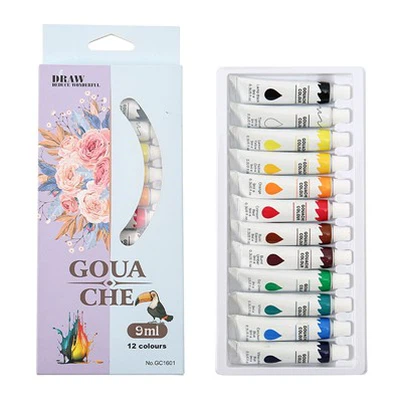
The primary colors - red, blue, and yellow - are the foundation of any color palette. In street art, these colors are used to create bold statements and eye - catching designs.
Red is a powerful color that symbolizes passion, energy, and danger. It can be used to draw attention to a particular part of a mural or to create a sense of urgency. For example, a red splash in a black - and - white graffiti piece can make it stand out and add an element of drama.
Blue is often associated with calmness, stability, and the sky or ocean. Street artists use blue to create serene backgrounds or to add a sense of depth to their work. A light blue can give a feeling of airiness, while a dark blue can create a more mysterious and moody atmosphere.
Yellow is a cheerful and optimistic color. It can be used to brighten up a mural and make it more inviting. Yellow is also highly visible, making it a great choice for highlighting important elements in a design.
Secondary Colors: The Combinations
Secondary colors are created by mixing two primary colors. Green (blue + yellow), orange (red + yellow), and purple (red + blue) are widely used in street art to add variety and complexity to the color scheme.
Green is a symbol of nature, growth, and harmony. It can be used to depict landscapes, plants, or to add a touch of freshness to a mural. Street artists often use different shades of green to create a sense of depth and realism.
Orange is a warm and energetic color that combines the passion of red and the cheerfulness of yellow. It can be used to create a sense of excitement and movement in a design. Orange is also very visible, making it a popular choice for street art in busy areas.
Purple is a color associated with royalty, luxury, and mystery. It can add a touch of elegance and sophistication to a mural. Dark purples can create a moody and dramatic effect, while light purples can give a soft and dreamy look.
Tertiary Colors: The Subtleties
Tertiary colors are created by mixing a primary color with a neighboring secondary color. Colors like red - orange, yellow - green, and blue - purple offer a more nuanced range of hues for street artists to work with.
These colors allow for more detailed and sophisticated color combinations. For example, a red - orange can be used to create a warm glow in a sunset scene, while a blue - purple can add a touch of coolness to a night - time mural.
Special Effects Colors
In addition to the basic color spectrum, street artists also use special effects colors to add uniqueness to their work. Metallic colors like gold, silver, and bronze can create a sense of luxury and glamour. They are often used to add highlights or to make a mural look more three - dimensional.
Glow - in - the - dark paints are another popular choice. These paints absorb light during the day and emit a soft glow at night, adding an element of surprise to the street art. Fluorescent colors are highly visible and can create a psychedelic effect, making them perfect for creating bold and attention - grabbing designs.
Custom Mixing
Many street artists prefer to create their own custom colors by mixing different acrylic paints. This allows them to achieve the exact shade and tone they need for their specific project. As an Acrylic Paint Color supplier, I offer a wide range of base colors that artists can use for custom mixing. Whether it's a specific shade of pink for a portrait or a unique green for a nature - inspired mural, our paints can be combined to create endless possibilities.
Comparing with Other Paint Types
While acrylic paint is extremely popular in street art, some artists also experiment with Oil Color Paint. Oil paints have a slower drying time, which can be an advantage for some artists who want more time to blend and manipulate the colors. However, they are also more difficult to clean up and may not be as durable outdoors as acrylic paints.
Acrylic paints can also be used on various surfaces, including wood. Acrylic Paint On Wood creates a beautiful and long - lasting finish. Street artists sometimes use wooden panels to create portable art pieces or to add a rustic touch to their work.
Choosing the Right Colors for Your Street Art Project
When choosing acrylic paint colors for a street art project, several factors need to be considered. The location of the mural plays a big role. If it's in a busy city center, bright and bold colors may be more effective to stand out. In a more residential area, softer and more harmonious colors may be more appropriate.
The theme of the mural also influences the color choice. A mural about a historical event may use more muted and earthy tones to convey a sense of authenticity, while a mural about a modern and vibrant community may use a wide range of bright colors.


Contact for Your Paint Needs
If you're a street artist or involved in a street art project, and you're looking for high - quality acrylic paint colors, I'm here to help. I offer a wide selection of colors, from the basic primaries to the most unique special effects. Whether you need a small amount for a quick graffiti piece or a large quantity for a big - scale mural, I can provide you with the right products.
Don't hesitate to reach out to discuss your specific requirements. We can work together to find the perfect color palette for your next street art masterpiece.
References
- "The Art of Street Painting" by Jane Smith
- "Color Theory for Artists" by John Doe
- Various street art blogs and online resources