Is gouache color paint good for painting landscapes?
Leave a message

Is gouache color paint good for painting landscapes? This is a question that many artists, both amateur and professional, often ponder. As a supplier of gouache color paint, I've had the privilege of witnessing firsthand the magic this medium can bring to landscape paintings. In this blog, I'll delve into the unique characteristics of gouache, its advantages and limitations when it comes to landscape painting, and how it compares to other popular painting mediums.
Understanding Gouache Color Paint
Gouache is a type of water - based paint that is similar to watercolor, but with a higher concentration of pigment and the addition of a white filler. This gives gouache a more opaque and matte finish compared to watercolor. The opacity of gouache allows artists to layer colors easily, covering up previous layers without the risk of the underlying color bleeding through.
One of the key features of gouache is its versatility. It can be used on a variety of surfaces, including paper, cardboard, wood, and even canvas. This makes it a great option for landscape painters who may want to experiment with different substrates.
Advantages of Using Gouache for Landscape Painting
Vivid and Rich Colors
Gouache offers a wide range of vivid and intense colors. When painting landscapes, capturing the true essence of nature's beauty often requires bold and bright hues. Whether it's the deep blues of the ocean, the warm oranges of a sunset, or the lush greens of a forest, gouache can provide the vibrant colors needed to bring these scenes to life. For example, a coastal landscape can be made more dramatic with the use of intense blues and turquoises, which gouache can easily deliver.
Layering and Blending
As mentioned earlier, the opacity of gouache makes it ideal for layering. When painting a landscape, an artist may want to start with a base layer to establish the overall composition and then add details and depth through subsequent layers. For instance, in a mountain landscape, you can first paint the base colors of the mountains and then layer on shadows, highlights, and the texture of the rocks. Gouache also blends well, allowing for smooth transitions between colors. You can create soft gradients for the sky or the reflection of light on water, adding a sense of realism to your landscape.
Quick Drying
Gouache dries relatively quickly compared to some other painting mediums. This is an advantage when painting landscapes, especially if you're working outdoors. You don't have to worry about the paint smudging or running, and you can move on to the next step of your painting without long waiting times. For example, if you're capturing a changing scene like a passing cloud or a shifting tide, the quick - drying nature of gouache allows you to keep up with the changes.

Portability
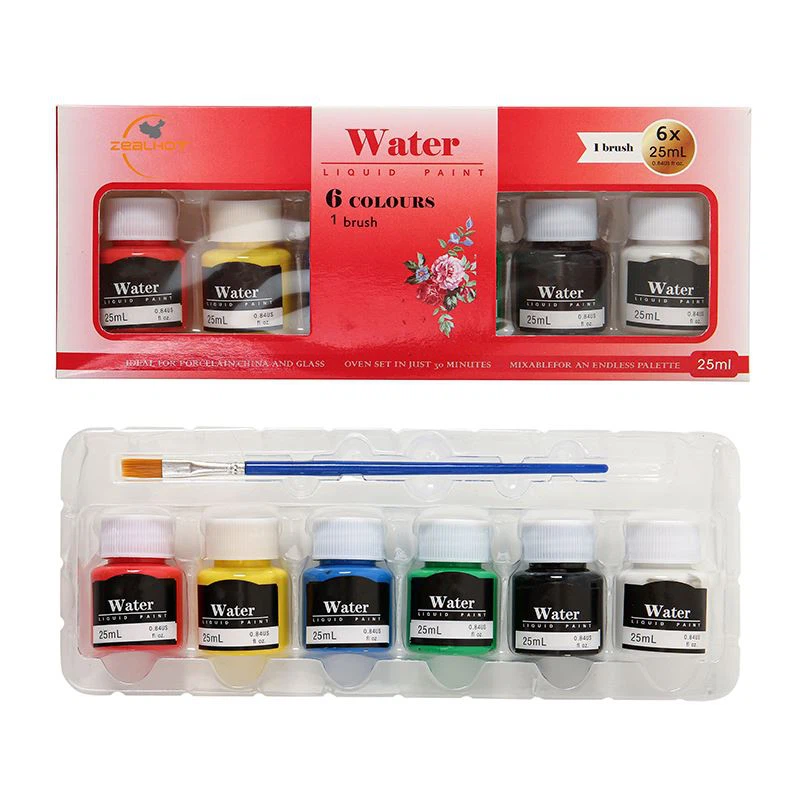
For landscape painters who like to paint en plein air (outdoors), gouache is a great choice. It comes in small tubes or pans, which are easy to carry around. You can simply pack a set of gouache paints, a few brushes, and a small palette, and you're ready to paint anywhere. Whether you're in a remote forest, by a serene lake, or on a bustling city rooftop, gouache can accompany you on your artistic adventures.
Limitations of Using Gouache for Landscape Painting
Lack of Transparency
While the opacity of gouache is an advantage in many ways, it can also be a limitation. In some landscape scenes, such as a misty forest or a hazy sunset, transparency can add a sense of depth and atmosphere. Watercolor, for example, is known for its ability to create these ethereal effects. With gouache, achieving the same level of transparency can be challenging. However, some artists have found ways to work around this by diluting the gouache to create semi - transparent layers.
Color Fading Over Time
Gouache paintings may be more prone to color fading over time compared to some other mediums. This is especially true if the paintings are exposed to direct sunlight or harsh environmental conditions. To mitigate this, it's important to use high - quality gouache paints and protect your finished paintings with a suitable varnish.
Comparing Gouache with Other Painting Mediums
Compared to Watercolor
Watercolor is a popular choice for landscape painting due to its transparency and ability to create soft, flowing effects. As mentioned earlier, it excels at capturing the delicate nuances of light and atmosphere. However, as a Watercolor Paint Best is more difficult to correct mistakes once the paint is on the paper, as it can be hard to cover up or modify existing layers. Gouache, on the other hand, offers more forgiving characteristics. You can easily paint over mistakes and build up layers to create a more detailed and textured landscape.
Compared to Acrylic
Acrylic paint is known for its durability and fast - drying properties. Acrylic Paint Color comes in a wide range of colors and can be used on various surfaces. While acrylic can also be used for landscape painting, it has a different texture and finish compared to gouache. Acrylics often have a more glossy finish, whereas gouache has a matte look. Some artists prefer the matte finish of gouache for its more traditional and subtle aesthetic. Additionally, gouache is water - soluble even after it dries, which means you can re - wet and modify the paint, something that is not possible with fully dried acrylic paint. And if you're interested in painting on glassware, Acrylic Paint for Glassware is a great option, but for classic landscape painting on paper or canvas, gouache has its own charm.
Tips for Using Gouache in Landscape Painting
Choose the Right Surface
Select a surface that suits your painting style. For a smooth finish, use hot - pressed paper. If you prefer a more textured look, cold - pressed or rough - pressed paper can add an interesting dimension to your landscape.
Start with a Sketch
Before you start applying gouache, make a rough sketch of your landscape composition. This will help you plan the placement of elements such as mountains, trees, and bodies of water.
Experiment with Different Techniques
Try different techniques such as dry - brushing to create texture, or wet - on - wet to achieve soft blends. You can also use a palette knife to apply thicker layers of paint for a more impasto effect.
Conclusion
In conclusion, gouache color paint is indeed a great option for painting landscapes. Its vivid colors, layering capabilities, quick - drying nature, and portability make it a versatile and practical choice for artists. While it has some limitations, with the right techniques and materials, these can be overcome. Whether you're a beginner looking to explore landscape painting or an experienced artist seeking a new medium to add to your repertoire, gouache is definitely worth considering.
If you're interested in purchasing high - quality gouache color paint for your landscape painting projects, we'd love to hear from you. We offer a wide range of gouache colors to suit your every need. Feel free to reach out to us to start a procurement discussion and bring your landscape painting visions to life.
References
- Smith, John. "The Art of Landscape Painting." Art Publishing House, 2018.
- Brown, Sarah. "Painting Mediums: A Comparative Study." Art Journal, Vol. 15, No. 2, 2020.