How to paint a snowflake pattern on clothes?
Leave a message

Painting a snowflake pattern on clothes can transform ordinary garments into unique, winter - themed masterpieces. As a painting clothes supplier, I'm excited to share with you a detailed guide on how to achieve this beautiful effect.
Preparation
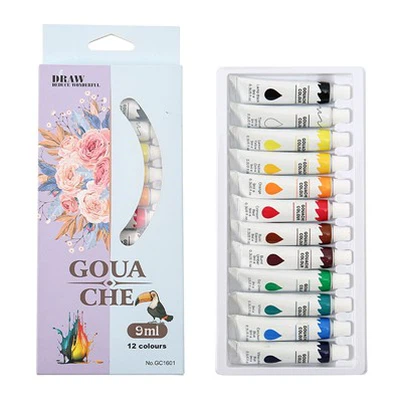
Before you start painting, it's essential to gather all the necessary materials. You'll need fabric paint in various colors, ideally white, light blue, and silver for a classic snowflake look. Brushes of different sizes are crucial for detailed work and covering larger areas. A stencil of a snowflake can be very helpful, especially if you're not confident in your free - hand drawing skills. You can either purchase a pre - made stencil or create one yourself using cardboard.
In addition to the painting supplies, you also need to protect your work area and your child if they are involved in the process. Consider using our Kids Painting Protective Smock, Children's Long Sleeve Waterproof Painting Clothes, or Children's Painting Safety Clothes. These clothes not only keep the painter clean but also prevent paint from staining other clothes or furniture.
Choosing the Right Fabric
The type of fabric you choose can significantly affect the final result of your snowflake painting. Natural fabrics like cotton are generally the best choice because they absorb paint well and hold the color for a long time. Linen is another good option, which gives a slightly rustic look to the painting. Avoid using synthetic fabrics such as polyester, as they tend to repel paint and may not hold the design as well.
When selecting the color of the fabric, a light - colored background is ideal as it will make the snowflake pattern stand out. White, cream, or light gray fabrics are perfect for creating a winter - wonderland effect.
Preparing the Fabric
Before you start painting, it's important to prepare the fabric to ensure that the paint adheres properly. First, wash the fabric to remove any dirt, chemicals, or sizing that may be on the surface. Do not use fabric softener during the washing process, as it can create a barrier that prevents the paint from sticking.


After washing, dry the fabric thoroughly. Iron the fabric to remove any wrinkles, as a smooth surface will make it easier to paint the snowflake pattern accurately.
Creating the Snowflake Design
There are several ways to create a snowflake design on your clothes.
Using a Stencil
If you're using a stencil, place it on the fabric where you want the snowflake to appear. Secure it in place with tape to prevent it from shifting while you're painting. Dip a small brush into the paint and carefully apply it over the stencil. Start with the outer edges of the snowflake and work your way inwards. You can use different colors to create a more visually appealing design. For example, use white for the main body of the snowflake, light blue for the shadows, and silver for a bit of sparkle.
Once you've filled in the snowflake with paint, carefully lift the stencil off the fabric. Be patient and allow the paint to dry completely. You may need to apply a second coat of paint for a more opaque and vibrant look.
Free - hand Drawing
If you're confident in your drawing skills, you can free - hand draw the snowflake on the fabric. Start by using a pencil to sketch the basic shape of the snowflake. Snowflakes have a six - fold symmetry, so it's important to keep this in mind when drawing. You can look up pictures of real snowflakes for inspiration.
After sketching the snowflake, start painting over the pencil lines with fabric paint. Use a fine - tipped brush for detailed work, such as adding the delicate branches of the snowflake. As with the stencil method, you can use multiple colors to add depth and dimension to the design.
Adding Details and Texture
To make your snowflake pattern more realistic and interesting, you can add some details and texture. One way to do this is by using a toothpick or a fine - tipped brush to add small dots or lines to the snowflake. These can represent ice crystals or the fine details of a real snowflake.
You can also create a textured effect by mixing some sand or glitter with the fabric paint. This will give the snowflake a more three - dimensional look, as if it's made of real ice. Apply the textured paint sparingly to specific areas of the snowflake, such as the edges or the tips of the branches.
Drying and Setting the Paint
Once you've finished painting the snowflake pattern, allow the paint to dry completely. This can take anywhere from a few hours to a full day, depending on the type of paint and the thickness of the application.
After the paint is dry, you need to set it to ensure that it stays on the fabric for a long time. You can do this by using an iron. Place a piece of clean, white cloth over the painted area to protect it from the iron. Set the iron to a medium - heat setting (without steam) and iron the painted area for about 10 - 15 minutes. Make sure to cover the entire painted area evenly.
Another way to set the paint is by using a heat - press machine. Follow the manufacturer's instructions for the correct temperature and time settings.
Caring for Painted Clothes
To keep your painted snowflake pattern looking its best, it's important to take proper care of the clothes. Wash the painted clothes inside out in cold water using a mild detergent. Avoid using bleach or harsh chemicals, as they can fade the paint.
Do not wring or twist the clothes when washing them, as this can cause the paint to crack or peel. Instead, gently squeeze out the excess water and lay the clothes flat to dry.
Conclusion
Painting a snowflake pattern on clothes is a fun and creative way to add a personal touch to your wardrobe or create unique gifts. As a painting clothes supplier, we offer a wide range of protective clothing to ensure that your painting experience is clean and enjoyable.
If you're interested in purchasing our painting clothes or have any questions about the painting process, feel free to contact us for more information and to start a procurement negotiation. We're committed to providing high - quality products and excellent customer service.
References
- "Fabric Painting Techniques" by Jane Smith
- "The Art of Snowflake Design" by John Doe
- Online resources on fabric painting and snowflake patterns