How to get a smooth finish with gouache paint brushes?
Leave a message

Achieving a smooth finish with gouache paint brushes is a skill that can elevate your artwork from good to outstanding. As a supplier of high - quality gouache paint brushes, I understand the importance of both the right tools and the proper techniques. In this blog, I'll share some valuable insights on how to get that flawless, smooth finish you've always desired.
Understanding Gouache Paint
Before delving into the brush techniques, it's crucial to have a basic understanding of gouache paint. Gouache is an opaque water - based paint. It has a thicker consistency compared to watercolor, which gives it excellent covering power. However, this thickness also means that it can be a bit tricky to work with, especially when aiming for a smooth finish. The pigment particles in gouache are larger, and if not applied correctly, they can result in a textured or uneven surface.
Choosing the Right Gouache Paint Brushes
The first step in getting a smooth finish is selecting the appropriate brushes. Different brushes have different characteristics, and choosing the right one for the job can make all the difference.
- Brush Size: Larger brushes are great for covering large areas quickly and can help achieve a more uniform application. For example, a 1 - inch flat brush can be used to paint the background of a painting. Smaller brushes, on the other hand, are ideal for detailed work. A size 0 or 1 round brush can be used for adding fine details like eyes or small patterns.
- Brush Shape: Flat brushes are excellent for creating broad, smooth strokes. They are perfect for filling in large areas and creating sharp edges. Round brushes are more versatile and can be used for both detailed work and broader strokes. Filbert brushes have a rounded tip with a flat edge, which makes them great for blending and creating soft edges.
- Brush Quality: Investing in high - quality brushes is essential. High - end brushes, such as those available at High End Paint Brushes, are made from better materials and are more durable. They hold more paint, distribute it evenly, and can create smoother strokes. Cheaper brushes may shed hairs or not hold the paint well, which can lead to an uneven finish.
Preparing Your Brushes
Properly preparing your gouache paint brushes before use is crucial for achieving a smooth finish.
- Soaking: Before using a new brush, soak it in clean water for a few minutes. This helps to remove any manufacturing residues and softens the bristles. For synthetic brushes, soaking also helps them to take on their proper shape.
- Drying: After soaking, gently squeeze out the excess water with a paper towel. You want the brush to be damp but not dripping wet. If the brush is too wet, it can cause the paint to run or become too thin, resulting in an uneven finish.
Mixing and Preparing the Gouache Paint
The way you mix and prepare your gouache paint can significantly impact the smoothness of your finish.
- Consistency: The consistency of the gouache paint is key. If the paint is too thick, it can be difficult to spread evenly and may result in a textured surface. If it's too thin, it may not cover well and can run. To achieve the right consistency, add small amounts of water to the paint and mix thoroughly. You can test the consistency by dipping a brush into the paint and then dragging it across a piece of scrap paper. The paint should flow smoothly without leaving streaks or clumps.
- Mixing: When mixing colors, make sure to mix them thoroughly. Use a palette knife or a brush to blend the colors together until they are uniform. Incomplete mixing can result in color variations and an uneven finish.
Applying the Gouache Paint
Now that you have the right brushes, the paint is properly prepared, it's time to start applying the paint.
- Stroke Technique: Use long, smooth strokes when applying the paint. Avoid short, choppy strokes, as they can create an uneven surface. For large areas, start from one edge and work your way across in a consistent direction. When painting over an existing layer, make sure to overlap the strokes slightly to create a seamless finish.
- Layering: Gouache paint can be layered to build up color and depth. However, it's important to let each layer dry completely before applying the next one. If you apply a new layer too soon, the wet paint can mix with the dry layer and create a messy, uneven finish. You can test if a layer is dry by gently touching it with your finger. If it doesn't feel sticky, it's ready for the next layer.
Blending and Smoothing
Blending and smoothing are essential techniques for achieving a smooth finish with gouache paint brushes.
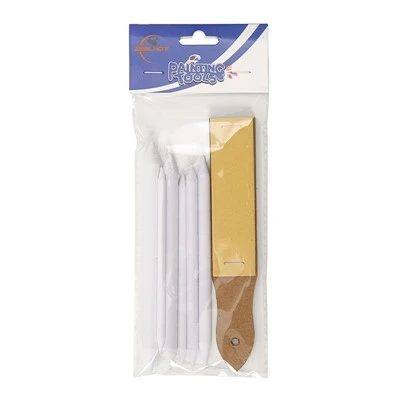
- Blending: To blend colors, use a clean, damp brush. Gently brush over the area where the two colors meet, moving the brush back and forth to blend the colors together. You can also use a blending stump or a piece of tissue paper to blend the paint further.
- Smoothing: If you notice any brushstrokes or uneven areas, you can smooth them out by lightly brushing over the area with a clean, dry brush. This helps to redistribute the paint and create a more uniform surface.
Cleaning Your Brushes
Properly cleaning your gouache paint brushes after use is not only important for maintaining the brushes but also for ensuring a smooth finish in future paintings.
- Immediate Cleaning: As soon as you're done using the brushes, rinse them thoroughly in clean water. Use your fingers to gently work the paint out of the bristles. Make sure to remove all the paint from the brush, especially from the base of the bristles.
- Deep Cleaning: Occasionally, you may need to give your brushes a deep clean. You can use a mild brush cleaner or a small amount of dish soap. Soak the brushes in the cleaning solution for a few minutes, then rinse them thoroughly. After cleaning, reshape the brushes and let them dry flat or hanging with the bristles down.
Troubleshooting
Even with the best techniques, you may encounter some issues when trying to get a smooth finish. Here are some common problems and solutions:


- Streaks: Streaks can occur if the paint is too thick or if the brush is not distributing the paint evenly. To fix this, adjust the consistency of the paint and make sure to use long, smooth strokes. You can also try using a different brush or cleaning the brush to remove any clumps of paint.
- Texture: If the surface of your painting has an unwanted texture, it could be due to the paint being too thick or the brushstrokes being too rough. Try thinning the paint and using a softer - bristle brush. You can also lightly sand the surface with fine - grit sandpaper after the paint is dry to smooth out the texture.
Conclusion
Achieving a smooth finish with gouache paint brushes requires a combination of the right tools, proper techniques, and a bit of practice. By choosing high - quality brushes, preparing your paint correctly, and using the right stroke techniques, you can create beautiful, smooth - finished gouache paintings. Whether you're a beginner or an experienced artist, these tips can help you take your gouache painting to the next level.
If you're interested in purchasing high - quality gouache paint brushes, we are here to assist you. We offer a wide range of brushes suitable for all types of gouache painting projects. Our brushes are designed to help you achieve the smooth finish you've always wanted. Feel free to reach out to us to start a procurement discussion and find the perfect brushes for your needs.
References
- "The Complete Guide to Gouache Painting" by an unknown author.
- Various art blogs and forums discussing gouache painting techniques.