How to fix mistakes in watercolor painting?
Leave a message

Hey there, fellow artists and watercolor enthusiasts! I'm [Your Name], and I run a watercolor paint supply business. Over the years, I've seen a ton of artists struggle with mistakes in their watercolor paintings. But guess what? Mistakes aren't the end of the world. In fact, they can be opportunities to learn and create something even more amazing. Today, I'm going to share some tips on how to fix those pesky mistakes in watercolor painting.
Understanding the Nature of Watercolor
Before we dive into the fixing techniques, it's important to understand how watercolor works. Watercolor is a transparent paint that relies on the white of the paper to create highlights. Once you apply the paint, it soaks into the paper fibers, and removing it completely can be tricky. But don't worry, there are still plenty of ways to work around mistakes.
Common Mistakes and How to Fix Them
1. Overly Dark Areas
One of the most common mistakes in watercolor painting is making an area too dark. Maybe you added too much pigment or used a color that was too intense. Here's how you can fix it:
- Lifting the Color: You can use a clean, damp brush to lift the wet paint off the paper. Gently blot the area with a paper towel to absorb the excess paint. If the paint has dried, you can try using a sponge or a piece of dampened paper to lift the color. Just be careful not to damage the paper.
- Adding Lighter Layers: Another option is to add lighter layers of paint over the dark area. You can use a lighter shade of the same color or a complementary color to create a contrast. Build up the layers gradually, allowing each layer to dry before adding the next one.
2. Streaks and Blotches
Streaks and blotches can occur when the paint dries unevenly or when you mix the colors incorrectly. Here's how you can fix them:
- Blending the Colors: Use a clean, damp brush to blend the streaks and blotches. Gently stroke the brush over the area in a circular motion to blend the colors together. You can also add a little more water to the paint to make it more fluid and easier to blend.
- Repainting the Area: If the streaks and blotches are too severe, you may need to repaint the area. Wait for the paint to dry completely, then use a clean brush to apply a new layer of paint over the area. Make sure to blend the new layer with the surrounding area to create a seamless transition.
3. Misplaced Shapes and Lines
Sometimes, you may make a mistake when drawing the shapes and lines in your painting. Here's how you can fix them:
- Erasing the Mistake: If you're using a pencil to sketch your design, you can use an eraser to remove the mistake. Be careful not to damage the paper. If you're using a pen or a marker, you can try using a correction fluid or a white paint to cover the mistake.
- Redrawing the Shape or Line: If the mistake is too big to erase, you may need to redraw the shape or line. Use a clean brush to apply a new layer of paint over the area. Make sure to blend the new layer with the surrounding area to create a seamless transition.
4. Color Bleeding
Color bleeding can occur when the paint spreads beyond the intended area. This can happen when you use too much water or when you apply the paint too thickly. Here's how you can fix it:
- Absorbing the Excess Water: Use a clean, dry brush or a paper towel to absorb the excess water from the area. This will help to stop the paint from spreading further.
- Using a Masking Fluid: If you know that a certain area is prone to color bleeding, you can use a masking fluid to protect it. Apply the masking fluid to the area before you start painting, then wait for it to dry. Once the masking fluid is dry, you can paint over it. When the paint is dry, you can remove the masking fluid to reveal the protected area.
Tools and Products to Help You Fix Mistakes
As a watercolor paint supplier, I have a wide range of tools and products that can help you fix mistakes in your paintings. Here are some of my recommendations:
- Watercolor Solid Paint: These solid paints are easy to use and come in a variety of colors. They're perfect for adding highlights and fixing mistakes in your paintings.
- Acrylic Paint for Glassware: If you're working on a glass surface, this acrylic paint is a great option. It's durable and easy to clean, and it comes in a range of colors.
- Watercolor Paint: Of course, I can't forget about our watercolor paint! We have a wide selection of high-quality watercolor paints that are perfect for any painting project.
Preventing Mistakes in the First Place
While it's important to know how to fix mistakes in watercolor painting, it's even better to prevent them from happening in the first place. Here are some tips to help you avoid common mistakes:
- Practice Your Techniques: The more you practice, the better you'll become at watercolor painting. Experiment with different techniques and colors to find what works best for you.
- Plan Your Painting: Before you start painting, take some time to plan your design. Sketch out your idea on paper and decide where you want to place the colors and shapes. This will help you avoid making mistakes and ensure that your painting turns out the way you want it to.
- Use the Right Tools and Materials: Using the right tools and materials is essential for creating a successful watercolor painting. Make sure you have a good quality brush, paper, and paint, and use them correctly.
Conclusion
Fixing mistakes in watercolor painting is all about being patient, creative, and willing to experiment. With the right techniques and tools, you can turn a mistake into a beautiful part of your painting. Remember, every artist makes mistakes, and it's how you handle them that makes you a better artist.

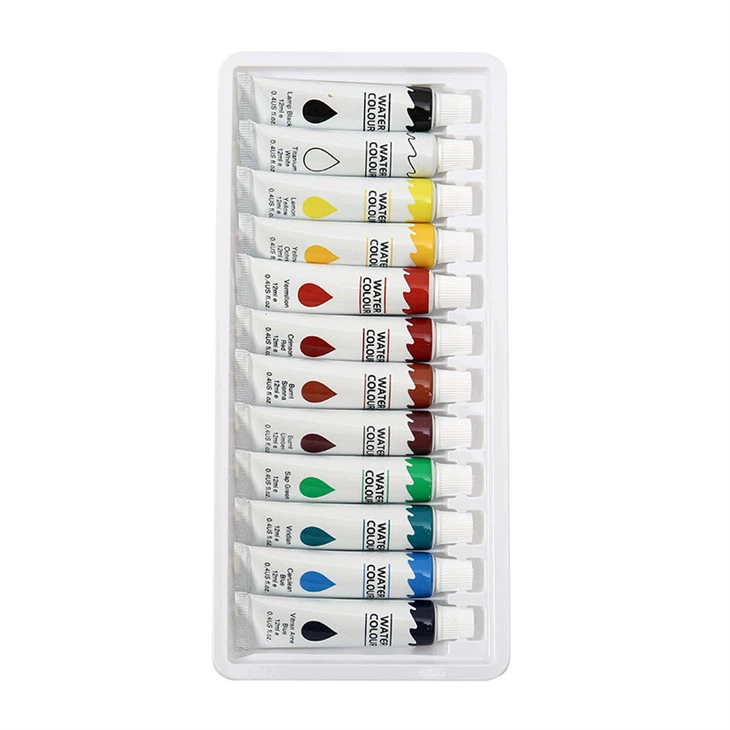
If you're interested in purchasing any of our watercolor paint products or have any questions about watercolor painting, please don't hesitate to contact us. We'd love to help you take your watercolor painting to the next level.
References
- "The Complete Guide to Watercolor Painting" by John Smith
- "Watercolor Techniques for Beginners" by Jane Doe
- "Mastering Watercolor: Tips and Tricks from the Pros" by Tom Johnson