How to create a gradient with watercolor paint?
Leave a message

Creating a gradient with watercolor paint is a super cool technique that can add a whole new level of depth and dimension to your artwork. As a watercolor paint supplier, I've seen firsthand how amazing the results can be when you master this skill. In this blog post, I'm gonna share some tips and tricks on how to create a gradient with watercolor paint, so you can take your paintings to the next level.
What You'll Need
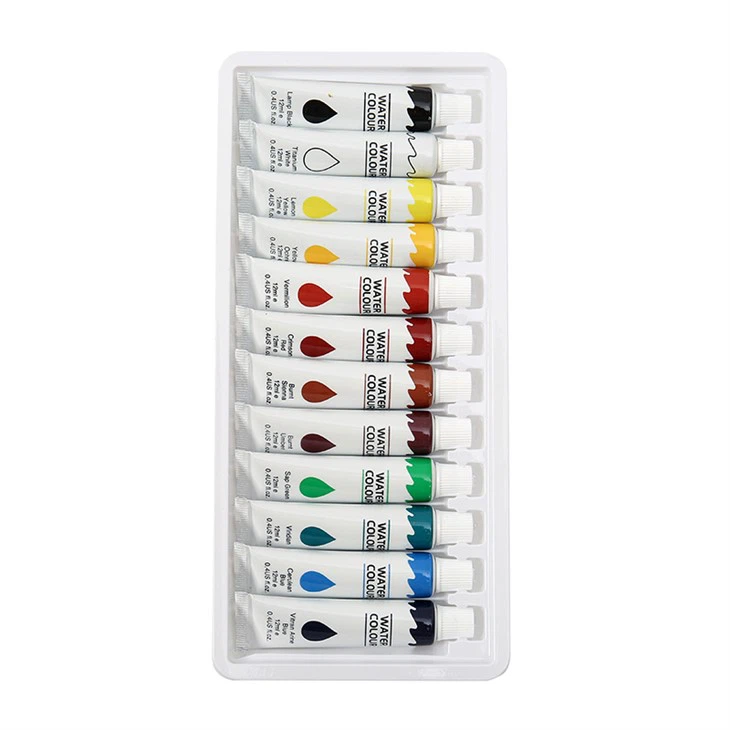
First things first, let's talk about what you'll need to get started. You'll obviously need some Watercolor Paint. We offer a wide range of high - quality watercolor paints that come in all sorts of beautiful colors. Whether you're into bright and bold hues or more muted, earthy tones, we've got you covered.
You'll also need some watercolor paper. The type of paper you use can make a big difference in the final outcome. Look for a thick, heavy - weight paper that can absorb the water without warping too much.
Brushes are another essential tool. You'll want a variety of brush sizes, from small detail brushes to large ones for covering bigger areas. A good set of brushes will make it easier to control the paint and create smooth gradients.
And of course, you'll need a container of water to clean your brushes and dilute the paint.
Preparing Your Workspace
Before you start painting, it's important to set up your workspace properly. Find a flat, stable surface where you can work without any distractions. Lay down some newspaper or a drop cloth to protect your surface from any paint spills.
Arrange your paints, brushes, and water container within easy reach. It's also a good idea to have some paper towels nearby to dry your brushes and soak up any excess water.
Mixing Your Colors
The first step in creating a gradient is to choose the colors you want to use. You can either use two or more different colors or different shades of the same color. For example, you might want to create a gradient from light blue to dark blue.
To mix your colors, squeeze a small amount of each paint color onto your palette. Then, using a clean brush, start adding water to the paints to dilute them. You want the paint to be thin enough to spread easily on the paper but not so thin that it becomes too watery.
Creating the Gradient
There are a few different ways to create a gradient with watercolor paint. One of the most common methods is the wet - on - wet technique.

Wet - on - Wet Technique
- Prepare your paper: First, wet your watercolor paper thoroughly with clean water using a large brush. Make sure the paper is evenly wet but not dripping.
- Apply the first color: Dip your brush into the first color you've mixed and start applying it to one end of the wet paper. You can start at the top or the bottom, depending on how you want your gradient to look.
- Blend the colors: While the paper is still wet, dip your brush into the second color and start applying it next to the first color. As the two colors meet on the wet paper, they'll start to blend together naturally. Use your brush to gently smooth out the transition between the colors.
- Continue blending: Keep adding more of the second color and blending it with the first color until you've created the gradient effect you want. You can also add more water to the paper if the colors aren't blending well.
Dry - on - Wet Technique
Another method is the dry - on - wet technique. This technique gives you more control over the colors and the gradient.
- Wet your paper: Just like with the wet - on - wet technique, wet your watercolor paper with clean water.
- Let the paper dry slightly: Wait for the paper to dry a little bit until it's no longer dripping but still damp.
- Apply the first color: Dip your brush into the first color and apply it to the paper. You can use short, quick strokes or long, smooth ones, depending on the effect you want.
- Add the second color: While the first color is still wet, dip your brush into the second color and start adding it to the paper next to the first color. Use your brush to blend the two colors together, but be more careful than with the wet - on - wet technique.
- Build up the gradient: Keep adding more of the second color and blending it with the first color until you've created the desired gradient. You can repeat this process with more colors if you want a more complex gradient.
Tips and Tricks
- Use a clean brush: Make sure your brush is clean before you dip it into a new color. This will prevent the colors from mixing on the brush and creating unwanted colors in your gradient.
- Practice makes perfect: Creating a gradient with watercolor paint takes practice. Don't be afraid to make mistakes and keep trying different techniques until you find the one that works best for you.
- Experiment with different colors: Try using different combinations of colors to create unique gradients. You might be surprised at the beautiful effects you can achieve.
Troubleshooting
Sometimes, things don't go as planned when you're creating a gradient. Here are some common problems and how to fix them.
- Hard edges: If you see hard edges between the colors in your gradient, it might be because the paper was too dry when you applied the second color. Try wetting the paper more or using the wet - on - wet technique.
- Uneven blending: If the colors aren't blending well, it could be because the paint is too thick or the paper isn't wet enough. Try adding more water to the paint or wetting the paper again.
More Ideas for Watercolor Painting
If you're looking for more inspiration and ideas for watercolor painting, check out our Watercolor Paint Ideas page. We've got tons of examples and tips to help you create amazing watercolor art.
We also offer Watercolor Solid Paint, which is a great option for artists who want a more concentrated and long - lasting paint.
Contact Us for Purchase
If you're interested in purchasing our high - quality watercolor paints, we'd love to hear from you. Whether you're a professional artist or just starting out, our paints are perfect for creating beautiful gradients and other amazing effects. Reach out to us to start a purchase negotiation. We're here to help you find the right products for your needs.
References
- "The Complete Guide to Watercolor Painting" by Jane Smith
- "Watercolor Techniques for Beginners" by John Doe