How do I paint a window frame?
Leave a message

Hey there! I'm a paint supplier, and I know a thing or two about painting window frames. Whether you're a DIY enthusiast looking to spruce up your home or a professional painter, getting the job done right is crucial. In this blog, I'll walk you through the step-by-step process of painting a window frame, from preparation to the final coat.
Step 1: Gather Your Supplies
Before you start painting, you'll need to gather all the necessary supplies. Here's a list of what you'll need:
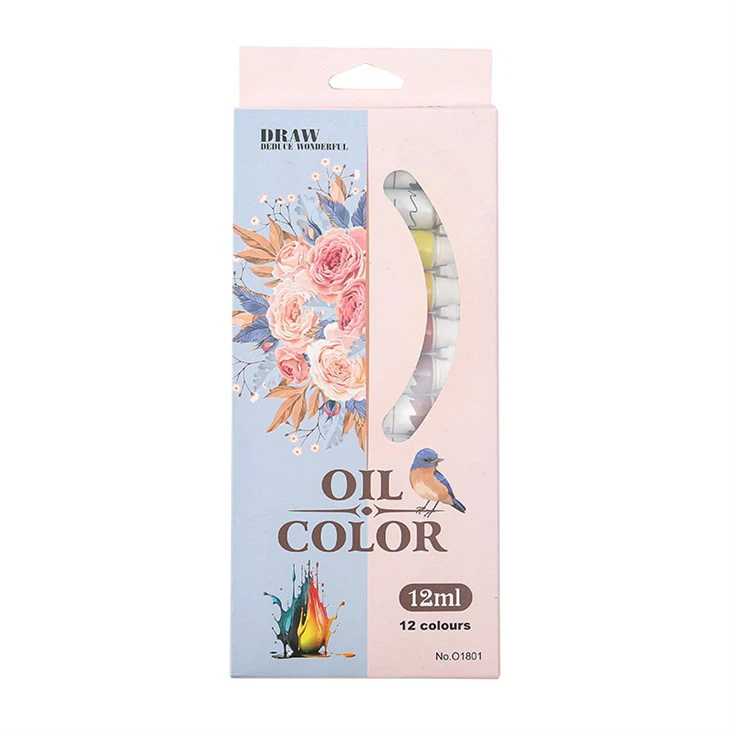
- Paint: You can choose from different types of paint, such as Oil Color Paint, Watercolor Solid Paint, or Acrylic Paint And Medium. The type of paint you choose will depend on your personal preference, the condition of the window frame, and the environment.
- Primer: A good primer is essential for ensuring that the paint adheres properly to the window frame and provides long-lasting protection.
- Paintbrushes: You'll need a variety of paintbrushes in different sizes for different parts of the window frame. Make sure to choose high-quality brushes that are suitable for the type of paint you're using.
- Paint Roller: A paint roller can be used to cover large areas quickly and evenly.
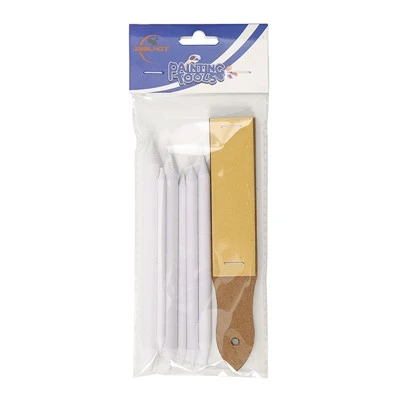
- Sandpaper: Sandpaper is used to smooth the surface of the window frame and remove any loose paint or debris.
- Drop Cloths: Drop cloths are used to protect the surrounding area from paint splatters and drips.
- Masking Tape: Masking tape is used to protect the glass and other areas that you don't want to paint.
- Putty Knife: A putty knife is used to fill any cracks or holes in the window frame before painting.
Step 2: Prepare the Window Frame
Once you have all your supplies, it's time to prepare the window frame for painting. Here's what you need to do:
- Clean the Window Frame: Use a mild detergent and water to clean the window frame thoroughly. This will remove any dirt, grime, or grease that could prevent the paint from adhering properly.
- Remove Loose Paint: Use a putty knife or sandpaper to remove any loose or peeling paint from the window frame. Make sure to sand the surface smooth to create a good base for the primer and paint.
- Fill Cracks and Holes: Use a putty knife to fill any cracks or holes in the window frame with wood filler or putty. Allow the filler to dry completely before sanding it smooth.
- Mask the Glass and Surrounding Area: Use masking tape to protect the glass and other areas that you don't want to paint. Make sure to apply the tape carefully and press it down firmly to prevent paint from seeping underneath.
- Apply Primer: Once the window frame is clean, dry, and smooth, it's time to apply the primer. Use a paintbrush or roller to apply the primer evenly to the window frame, making sure to cover all surfaces. Allow the primer to dry completely according to the manufacturer's instructions.
Step 3: Paint the Window Frame
After the primer has dried, it's time to paint the window frame. Here's how to do it:
- Choose the Right Paint: As mentioned earlier, you can choose from different types of paint, such as oil-based, water-based, or acrylic paint. Make sure to choose a paint that is suitable for the type of window frame and the environment.
- Stir the Paint: Before you start painting, make sure to stir the paint thoroughly to ensure that the color is evenly distributed.
- Apply the First Coat of Paint: Use a paintbrush or roller to apply the first coat of paint to the window frame, working in small sections. Make sure to apply the paint evenly and smoothly, following the grain of the wood. Allow the first coat of paint to dry completely according to the manufacturer's instructions.
- Sand the Surface: Once the first coat of paint has dried, use fine-grit sandpaper to sand the surface of the window frame lightly. This will help to smooth out any bumps or imperfections and create a good base for the second coat of paint.
- Apply the Second Coat of Paint: After sanding the surface, apply the second coat of paint to the window frame, following the same process as the first coat. Make sure to allow the second coat of paint to dry completely before removing the masking tape.
Step 4: Finishing Touches
Once the paint has dried completely, it's time to add the finishing touches. Here's what you need to do:

- Remove the Masking Tape: Carefully remove the masking tape from the glass and other areas that you protected. Make sure to remove the tape while the paint is still slightly wet to prevent it from peeling off the paint.
- Check for Drips and Runs: Check the window frame for any drips or runs of paint. If you find any, use a paintbrush or sandpaper to smooth them out.
- Clean Up: Clean up your tools and supplies thoroughly. Wash the paintbrushes and roller in warm, soapy water and allow them to dry completely before storing them.
Tips and Tricks
Here are some tips and tricks to help you get the best results when painting a window frame:
- Choose the Right Time of Day: It's best to paint the window frame on a dry, sunny day when the temperature is between 50°F and 85°F. Avoid painting in direct sunlight or when it's too hot or too cold, as this can affect the drying time and the quality of the paint.
- Use a High-Quality Paint: Investing in a high-quality paint will ensure that the window frame looks great and lasts for a long time. Look for a paint that is durable, weather-resistant, and easy to clean.
- Take Your Time: Painting a window frame takes time and patience. Don't rush the process, and make sure to follow the instructions carefully. Taking your time will ensure that the paint job looks professional and lasts for a long time.
- Practice on a Small Area: If you're new to painting, it's a good idea to practice on a small area of the window frame first. This will help you get used to the tools and techniques and ensure that you're happy with the results before you start painting the entire window frame.
Conclusion
Painting a window frame is a great way to update the look of your home and protect the window frame from the elements. By following the steps outlined in this blog and using the right tools and supplies, you can achieve a professional-looking paint job that will last for a long time. If you have any questions or need help choosing the right paint for your window frame, don't hesitate to contact me. I'm here to help you with all your painting needs.
References
- "Painting Windows: A Step-by-Step Guide." This Old House.
- "How to Paint Window Frames." DIY Network.
- "The Best Paints for Window Frames." Bob Vila.