Can watercolor paint be used on velvet?
Leave a message

Hey there, fellow art enthusiasts! I'm a supplier of watercolor paint, and I've been getting a lot of questions lately about whether watercolor paint can be used on velvet. It's a super interesting topic, so I thought I'd dive in and share everything I know.
First off, let's talk a bit about watercolor paint. Watercolor is known for its transparency, fluidity, and the beautiful, soft effects it can create. It's made up of pigments suspended in a water-based solution, usually with a binder like gum arabic. When you apply watercolor to paper, the water evaporates, leaving behind the pigment on the surface.
Now, velvet is a whole different beast. It's a plush, soft fabric with a dense pile of short fibers. This unique texture gives it a luxurious look and feel, but it also presents some challenges when it comes to painting.

The Pros of Using Watercolor on Velvet
One of the main advantages of using watercolor on velvet is the potential for creating some really cool, ethereal effects. The transparency of watercolor can allow the texture of the velvet to show through, adding an extra layer of depth and interest to your artwork. You can achieve a sort of dreamy, muted look that's hard to replicate with other types of paint.
Another pro is that watercolor is relatively easy to work with. It's water-soluble, so you can easily dilute it to get different consistencies and intensities of color. If you make a mistake, you can often just blot it with a paper towel or add more water to correct it. This makes it a great option for beginners or those who like to experiment.
The Cons of Using Watercolor on Velvet
However, there are also some significant drawbacks to using watercolor on velvet. One of the biggest issues is absorption. Velvet is a very absorbent fabric, and watercolor is a water-based paint. When you apply watercolor to velvet, the fabric will soak up the water, which can cause the paint to spread and bleed in unpredictable ways. This can make it difficult to achieve sharp lines or detailed work.
Another problem is durability. Watercolor is not designed to adhere well to fabric, especially a textured fabric like velvet. Over time, the paint may start to flake off or fade, especially if the velvet is washed or rubbed. This means that your artwork may not last as long as you'd like.
Tips for Using Watercolor on Velvet
If you still want to give it a try, here are some tips to help you get the best results:
- Prepare the velvet: Before you start painting, it's a good idea to iron the velvet on a low setting to smooth out any wrinkles. You can also use a fabric stiffener to help the paint adhere better. Just follow the instructions on the stiffener product.
- Test on a small area: Always test the watercolor on a small, inconspicuous area of the velvet first. This will allow you to see how the paint behaves and make any necessary adjustments.
- Use a limited palette: Since watercolor can bleed on velvet, it's best to use a limited palette of colors. This will help you avoid creating a muddy mess. You can always build up the layers of color slowly.
- Work in thin layers: Instead of applying thick layers of paint all at once, work in thin, transparent layers. This will give you more control over the color and reduce the risk of bleeding.
- Let it dry completely: Watercolor takes longer to dry on velvet than on paper. Make sure you let each layer dry completely before adding the next one. You can use a hair dryer on a low setting to speed up the drying process.
Alternatives to Watercolor on Velvet
If you're not happy with the results of using watercolor on velvet, there are some alternatives you can consider.
- Acrylic Paint And Medium: Acrylic paint is a popular choice for fabric painting. It's water-based when wet, but it dries to a durable, flexible finish. You can use acrylic paint on velvet to achieve bold, vibrant colors that are more likely to last. There are also special fabric mediums available that you can mix with acrylic paint to make it more suitable for use on fabric.
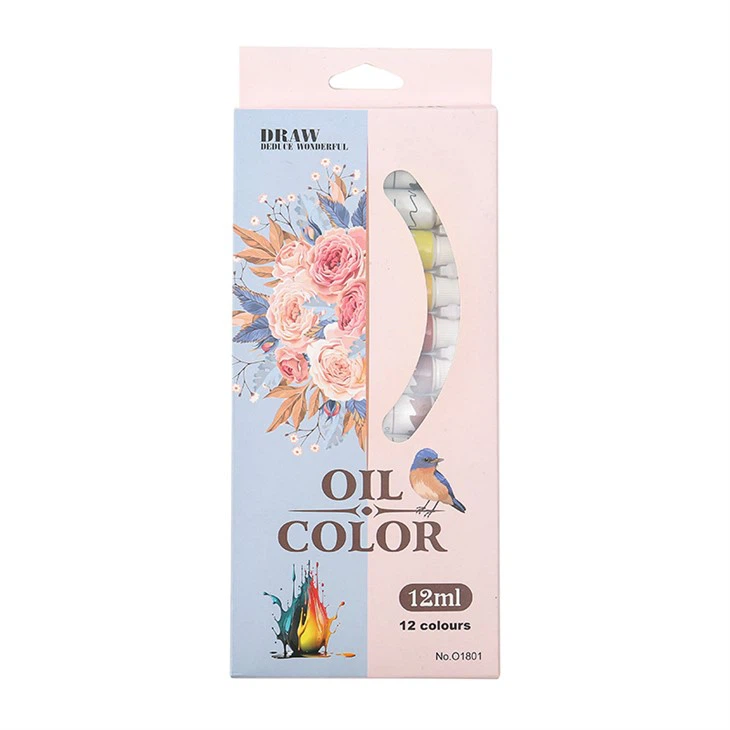
- Oil Color Paint: Oil paint is another option. It has a rich, thick consistency and can create very detailed, long-lasting artwork. However, oil paint takes a long time to dry, and it requires special solvents for cleanup. It's also more difficult to work with than watercolor or acrylic.
Conclusion
So, can watercolor paint be used on velvet? The answer is yes, but it's not without its challenges. If you're willing to experiment and take the time to learn how to work with watercolor on this unique surface, you can create some really beautiful and one-of-a-kind artworks. However, if you're looking for something more durable or easier to work with, you may want to consider using Acrylic Paint And Medium or Oil Color Paint instead.
As a watercolor paint supplier, I'm always here to help you find the right products for your art projects. If you have any questions or need more information about our Watercolor Solid Paint or other products, feel free to reach out. We're happy to assist you with your purchase and offer advice on how to get the best results with our paints. Whether you're a professional artist or just starting out, we've got the supplies you need to bring your creative vision to life.
References
- Artincontext.org. "The Basics of Watercolor Painting."
- Fabric.com. "Painting on Velvet: Tips and Tricks."
- ArtistsNetwork.com. "Choosing the Right Paint for Your Project."