

Can watercolor paint be used on fabric?
Leave a message

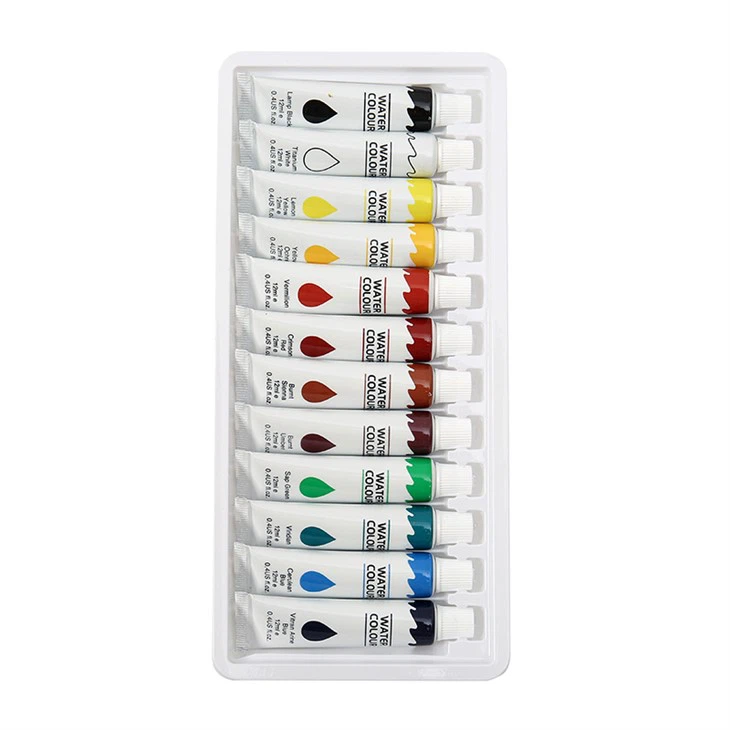
Watercolor paint is a beloved medium among artists for its fluidity, transparency, and ability to create soft, dreamy effects. It's commonly used on paper, but a question that often arises is whether watercolor paint can be used on fabric. As a supplier of high - quality Watercolor Paint, I'm here to explore this topic in depth.
Understanding Watercolor Paint
Watercolor paint consists of pigments suspended in a water - soluble binder, usually gum arabic. When water is added, the binder allows the pigments to spread across the surface, creating beautiful washes and gradients. These paints are known for their delicate and luminous qualities, making them a favorite for landscapes, portraits, and still - life paintings.
The Feasibility of Using Watercolor on Fabric
The short answer is yes, watercolor paint can be used on fabric, but there are several factors to consider.
Absorption and Adhesion
Fabric has a different texture and absorbency compared to paper. Natural fibers like cotton, linen, and silk tend to absorb watercolor well, allowing the paint to seep into the fibers. However, synthetic fibers such as polyester may pose more challenges. Synthetic fabrics are less absorbent, and the paint may sit on the surface rather than being absorbed, which can lead to a less - integrated look.
Colorfastness
One of the biggest concerns when using watercolor on fabric is colorfastness. Watercolor paints are designed to be water - soluble, which means that once dry, they can still be re - activated by water. This can be a problem if the fabric is washed or exposed to moisture. To improve colorfastness, you can use a fabric fixative. A fabric fixative is a liquid that, when applied to the painted fabric, helps to bind the pigments to the fibers, reducing the risk of the paint running or fading.
Durability
The durability of watercolor on fabric depends on how it is used and cared for. If the painted fabric is not subjected to excessive wear and tear, and is protected from moisture, the watercolor design can last for a long time. However, if the fabric is frequently washed, rubbed, or exposed to harsh chemicals, the paint may start to deteriorate.
Preparing the Fabric
Before applying watercolor paint to fabric, it's important to prepare the fabric properly.
Washing and Drying
Wash the fabric in warm water with a mild detergent to remove any sizing, dirt, or chemicals that may be on the surface. This will help the paint adhere better. After washing, dry the fabric thoroughly. Do not use fabric softeners, as they can create a barrier that prevents the paint from being absorbed.
Ironing
Iron the fabric to remove any wrinkles. A smooth surface will make it easier to apply the paint evenly. Make sure the fabric is completely dry before ironing.
Applying Watercolor to Fabric
There are several methods for applying watercolor paint to fabric.
Brushing
This is the most common method. Use a clean, soft - bristled brush to apply the paint to the fabric. Start with a light wash of color and build up the layers as needed. You can create different effects by varying the amount of water in the paint. For a more transparent look, use more water; for a more opaque look, use less water.
Spraying
You can also use a spray bottle to apply watercolor to fabric. This method is great for creating a more even, diffused effect. Mix the watercolor paint with water in the spray bottle and mist it onto the fabric. You can control the intensity of the color by adjusting the ratio of paint to water.
Stenciling
If you want to create a specific design on the fabric, stenciling is a good option. Place the stencil on the fabric and use a brush or sponge to apply the watercolor paint through the stencil. This allows you to create precise, repeatable designs.
Fixing the Paint
As mentioned earlier, using a fabric fixative is crucial for improving colorfastness. After the paint has dried completely, follow the instructions on the fabric fixative bottle. Usually, you will need to spray the fixative evenly over the painted area and let it dry. Some fixatives may require heat - setting, which can be done with an iron or a heat gun.
Comparing with Other Types of Paints
When considering using paint on fabric, it's also worth comparing watercolor paint with other types of paints.
Gouache Color Paint
Gouache paint is similar to watercolor in that it is water - based, but it is more opaque. Gouache can also be used on fabric, and it may offer better coverage and colorfastness compared to watercolor. However, it may not have the same delicate, transparent quality that watercolor is known for.
Acrylic Paint for Glassware
Acrylic paint is a popular choice for fabric painting. It is water - based when wet but becomes permanent and flexible when dry. Acrylic paint offers excellent colorfastness and durability, and it can be used on a wide range of fabrics. However, it has a more opaque and sometimes heavier look compared to watercolor.
Creative Uses of Watercolor on Fabric
There are many creative ways to use watercolor on fabric.
Clothing
You can use watercolor to create unique designs on t - shirts, dresses, or scarves. For example, you could paint a floral pattern on a white cotton t - shirt, or create an abstract design on a silk scarf.

Home Decor
Watercolor - painted fabric can also be used for home decor. You could paint a design on a pillowcase, a tablecloth, or a wall hanging. This can add a personal and artistic touch to your home.
Crafts
Watercolor on fabric can be used in various crafts, such as making fabric bookmarks, fabric postcards, or fabric dolls. The possibilities are endless.
Conclusion
In conclusion, watercolor paint can be used on fabric, but it requires some careful consideration and preparation. With the right techniques and materials, you can create beautiful, unique fabric designs using watercolor. Whether you're an artist looking to expand your creative horizons or a crafter wanting to add a personal touch to your projects, watercolor on fabric offers a world of possibilities.
If you're interested in purchasing high - quality Watercolor Paint for your fabric - painting projects, or have any questions about using watercolor on fabric, I encourage you to reach out for a procurement discussion. We're here to provide you with the best products and advice to help you achieve your creative goals.
References
- "The Complete Guide to Fabric Painting" by Jane Smith
- "Watercolor Techniques for Artists" by John Doe
- Manufacturer's guidelines for watercolor paints and fabric fixatives


