Can paint pens be used on stone?
Leave a message

Can paint pens be used on stone? This is a question that many artists, DIY enthusiasts, and decorators often ponder. As a supplier of a wide range of paint pens, I'm here to explore this topic in detail and provide you with all the necessary information to make an informed decision.
Understanding Paint Pens
Paint pens are versatile tools that offer a convenient and precise way to add color and design to various surfaces. They come in different types, including acrylic, enamel, and water - based paint pens. Each type has its own unique characteristics, advantages, and limitations.
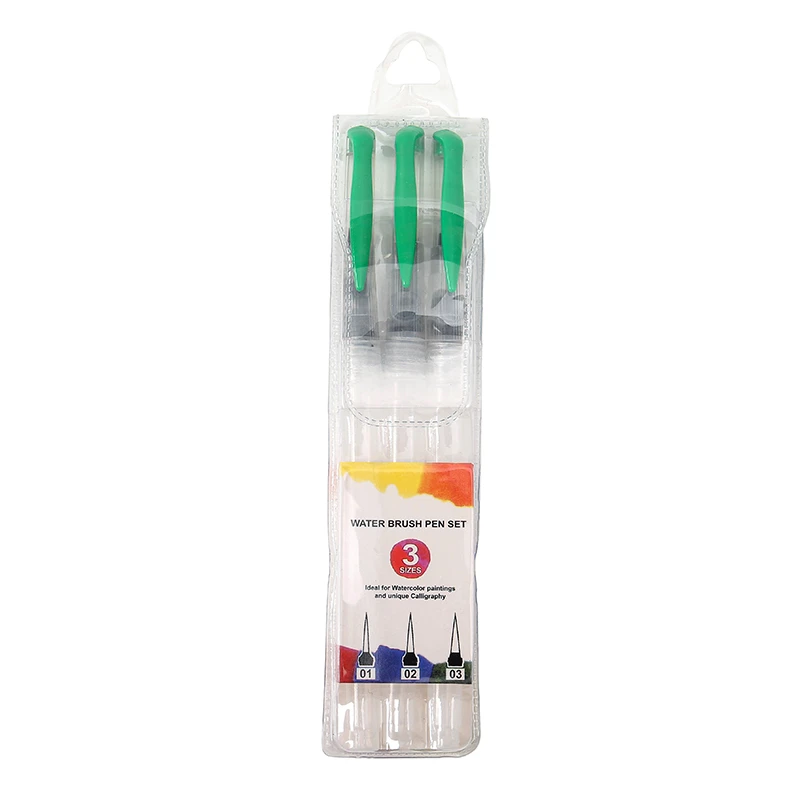
Acrylic paint pens are popular due to their fast - drying nature, high pigmentation, and excellent adhesion. They can be used on a variety of surfaces, including wood, metal, glass, and, yes, stone. Enamel paint pens, on the other hand, are known for their durability and resistance to scratches, chemicals, and weathering. These are often used for more permanent markings and are suitable for outdoor stone applications. Water - based paint pens are ideal for beginners and those who prefer a more eco - friendly option. They are easy to clean up with water and offer a softer, more blended look. If you're a beginner, you might want to check out our Watercolor Brush Paint Pens for Beginners.
Factors Affecting the Use of Paint Pens on Stone
When considering using paint pens on stone, several factors need to be taken into account:
Porosity of the Stone
The porosity of the stone plays a crucial role in how well the paint will adhere. Porous stones, such as sandstone and limestone, tend to absorb the paint, which can lead to uneven coloring and a less vibrant finish. Non - porous stones like granite and marble, on the other hand, provide a smoother surface for the paint to adhere to, resulting in a more professional and long - lasting look.
Surface Preparation
Proper surface preparation is essential for achieving good results. Before using paint pens on stone, the surface should be clean, dry, and free of any dirt, dust, or debris. You can clean the stone with a mild detergent and water, and then allow it to dry completely. For a better bond, you may also consider lightly sanding the surface to create a rough texture that the paint can grip onto.
Environmental Conditions
The environment in which the painted stone will be placed also matters. If the stone is going to be exposed to harsh weather conditions, such as rain, snow, or extreme temperatures, you'll need to choose a paint pen that is weather - resistant. Enamel paint pens are a great choice for outdoor applications as they can withstand the elements better than other types of paint pens.
Steps to Use Paint Pens on Stone
Here's a step - by - step guide on how to use paint pens on stone:

- Prepare the Stone: As mentioned earlier, clean and dry the stone surface. If necessary, sand the surface lightly to improve adhesion.
- Choose the Right Paint Pen: Select a paint pen based on the type of stone, the desired finish, and the intended use. For example, if you're creating a decorative piece for indoor use, an acrylic paint pen might be sufficient. But for an outdoor statue, an enamel paint pen would be a better choice. You can explore our Best Watercolor Brush Paint Pens for high - quality options.
- Test the Paint Pen: Before applying the paint pen to the entire stone, it's a good idea to test it on a small, inconspicuous area. This will allow you to see how the paint looks on the stone and how well it adheres.
- Apply the Paint: Hold the paint pen like a regular pen and apply the paint in smooth, even strokes. You can create different effects by varying the pressure and speed of your strokes. For more detailed designs, you may need to use a fine - tip paint pen.
- Let the Paint Dry: Follow the manufacturer's instructions for drying time. Acrylic paint pens usually dry within a few minutes to an hour, while enamel paint pens may take longer.
- Seal the Paint (Optional): To protect the painted surface and make it more durable, you can apply a clear sealant. This is especially important for outdoor stones or stones that will be handled frequently.
Advantages of Using Paint Pens on Stone
There are several advantages to using paint pens on stone:
- Precision: Paint pens allow for precise and detailed work, making them ideal for creating intricate designs, lettering, or small accents on stone.
- Ease of Use: They are easy to handle and require minimal setup compared to traditional painting methods. You can start painting right away without the need for brushes, palettes, or other equipment.
- Versatility: Paint pens come in a wide range of colors, allowing you to create custom color combinations and achieve the desired look. You can also mix different types of paint pens to create unique effects.
- Quick Results: With fast - drying paint, you can see the results of your work almost immediately. This is great for projects with tight deadlines or for those who want to see instant gratification.
Disadvantages of Using Paint Pens on Stone
However, there are also some disadvantages:
- Limited Coverage: Paint pens are not suitable for large - scale painting projects as they have a relatively small tip and limited ink capacity. Covering a large stone surface with a paint pen can be time - consuming and may not provide an even finish.
- Durability: While some paint pens are designed to be durable, the paint may still chip or fade over time, especially if the stone is exposed to harsh conditions.
- Cost: High - quality paint pens can be relatively expensive, especially if you need to use a large number of them for a project.
Tips for Success
- Use Multiple Layers: For a more vibrant and opaque color, apply multiple layers of paint, allowing each layer to dry completely before applying the next one.
- Blend Colors: You can create interesting color blends by using different paint pens and blending the colors while the paint is still wet. Check out Water Brush Pen Painting for some inspiration on color blending techniques.
- Practice: Don't be afraid to practice on scrap pieces of stone before working on your actual project. This will help you get comfortable with the paint pen and improve your skills.
Conclusion
In conclusion, paint pens can indeed be used on stone, but the success of the project depends on several factors, including the type of stone, the paint pen used, and the surface preparation. With the right techniques and the appropriate paint pen, you can create beautiful and long - lasting designs on stone.
If you're interested in purchasing paint pens for your stone - painting projects, we are a reliable supplier offering a wide range of high - quality paint pens. Whether you're a professional artist or a DIY enthusiast, we have the products to meet your needs. Contact us to discuss your requirements and start your next stone - painting project today!
References
- Manufacturer's instructions of various paint pens
- DIY and art blogs on stone painting
- Books on painting techniques and materials