Can paint pens be used on rubber?
Leave a message

Can paint pens be used on rubber? This is a question that many artists, hobbyists, and DIY enthusiasts often ask. As a paint pen supplier, I've encountered this query numerous times, and I'm here to provide a comprehensive answer based on my industry knowledge and experience.
Understanding Paint Pens and Rubber
Before delving into whether paint pens can be used on rubber, it's essential to understand the nature of both materials. Paint pens are writing instruments filled with paint that can be applied to various surfaces. They come in different types, including acrylic, enamel, and oil-based paints, each with its own set of characteristics and uses.
Rubber, on the other hand, is a flexible and elastic material made from natural or synthetic polymers. It has a smooth and often non-porous surface, which can pose challenges when it comes to adhesion. Common types of rubber include natural rubber, neoprene, silicone, and EPDM (ethylene propylene diene monomer).
Factors Affecting the Use of Paint Pens on Rubber
Several factors need to be considered when determining whether paint pens can be used on rubber effectively. These factors include:
- Type of Paint Pen: As mentioned earlier, different types of paint pens have different properties. Acrylic paint pens are water-based and dry quickly, making them a popular choice for many applications. Enamel paint pens, on the other hand, are oil-based and provide a durable and long-lasting finish. Oil-based paint pens offer excellent coverage and resistance to wear and tear. However, not all types of paint pens will adhere well to rubber.
- Surface Preparation: Proper surface preparation is crucial for achieving good adhesion between the paint pen and the rubber surface. Rubber surfaces are often smooth and may have a release agent or a layer of dirt or grease, which can prevent the paint from sticking. Therefore, it's important to clean the rubber surface thoroughly before applying the paint pen. You can use a mild detergent and water to clean the surface, followed by a rinse and dry.
- Flexibility of the Rubber: Rubber is a flexible material, and any paint applied to it needs to be able to withstand the bending and stretching without cracking or peeling. Some paint pens may be more flexible than others, making them more suitable for use on rubber.
- Environmental Conditions: The environmental conditions in which the painted rubber will be used can also affect the performance of the paint pen. For example, exposure to extreme temperatures, moisture, or chemicals can cause the paint to deteriorate over time.
Testing Paint Pens on Rubber
Before applying paint pens to a large area of rubber, it's recommended to conduct a small test on an inconspicuous area. This will allow you to assess the adhesion, flexibility, and durability of the paint pen on the rubber surface. Here's how you can perform a test:
- Clean the Test Area: Use a mild detergent and water to clean the test area of the rubber surface. Rinse thoroughly and dry completely.
- Apply the Paint Pen: Apply a small amount of paint from the pen to the test area. Follow the manufacturer's instructions for application, such as the number of coats and the drying time between coats.
- Allow the Paint to Dry: Let the paint dry completely according to the manufacturer's instructions. This may take several hours or even days, depending on the type of paint pen and the environmental conditions.
- Test the Adhesion: Once the paint is dry, gently rub the painted area with your finger or a soft cloth. If the paint comes off easily, it may not adhere well to the rubber surface. You can also try bending or stretching the rubber slightly to see if the paint cracks or peels.
- Assess the Results: Based on the results of the test, you can determine whether the paint pen is suitable for use on the rubber surface. If the paint adheres well and remains flexible without cracking or peeling, you can proceed with painting the entire area.
Suitable Paint Pens for Rubber
While not all paint pens are suitable for use on rubber, there are some types that are specifically designed to adhere to flexible and non-porous surfaces. Here are some examples of paint pens that can be used on rubber:
- Flexible Acrylic Paint Pens: These paint pens are formulated with a flexible acrylic resin that allows the paint to bend and stretch with the rubber without cracking or peeling. They are available in a wide range of colors and are suitable for both indoor and outdoor use.
- Enamel Paint Pens for Rubber: Enamel paint pens provide a durable and long-lasting finish on rubber surfaces. They are resistant to wear, chemicals, and weathering, making them ideal for applications where the painted rubber will be exposed to harsh conditions.
- Silicone-Based Paint Pens: Silicone-based paint pens are designed to adhere to silicone rubber and other flexible materials. They offer excellent flexibility and resistance to high temperatures, making them suitable for use in automotive, industrial, and electrical applications.
Tips for Using Paint Pens on Rubber
Here are some tips to help you achieve the best results when using paint pens on rubber:
- Choose the Right Paint Pen: Select a paint pen that is specifically designed for use on rubber or flexible surfaces. Read the product label carefully to ensure that it meets your requirements.
- Prepare the Surface: Clean the rubber surface thoroughly before applying the paint pen. Use a mild detergent and water to remove any dirt, grease, or release agent. Rinse the surface thoroughly and dry it completely.
- Apply Thin Coats: Apply thin coats of paint to the rubber surface, allowing each coat to dry completely before applying the next one. This will help to prevent the paint from cracking or peeling.
- Use a Primer: If you're having trouble getting the paint to adhere to the rubber surface, you can try using a primer specifically designed for rubber. A primer will help to create a better bond between the paint and the rubber.
- Allow Sufficient Drying Time: Let the paint dry completely according to the manufacturer's instructions. This may take several hours or even days, depending on the type of paint pen and the environmental conditions.
- Protect the Painted Surface: Once the paint is dry, you can protect the painted surface by applying a clear coat or a sealant. This will help to prevent the paint from fading, scratching, or peeling over time.
Conclusion
In conclusion, paint pens can be used on rubber, but it's important to choose the right type of paint pen and to prepare the surface properly. By considering the factors mentioned above and following the tips provided, you can achieve good adhesion and a durable finish on your rubber projects. Whether you're an artist looking to add a personal touch to your rubber creations or a DIY enthusiast working on a home improvement project, paint pens can be a versatile and convenient tool.
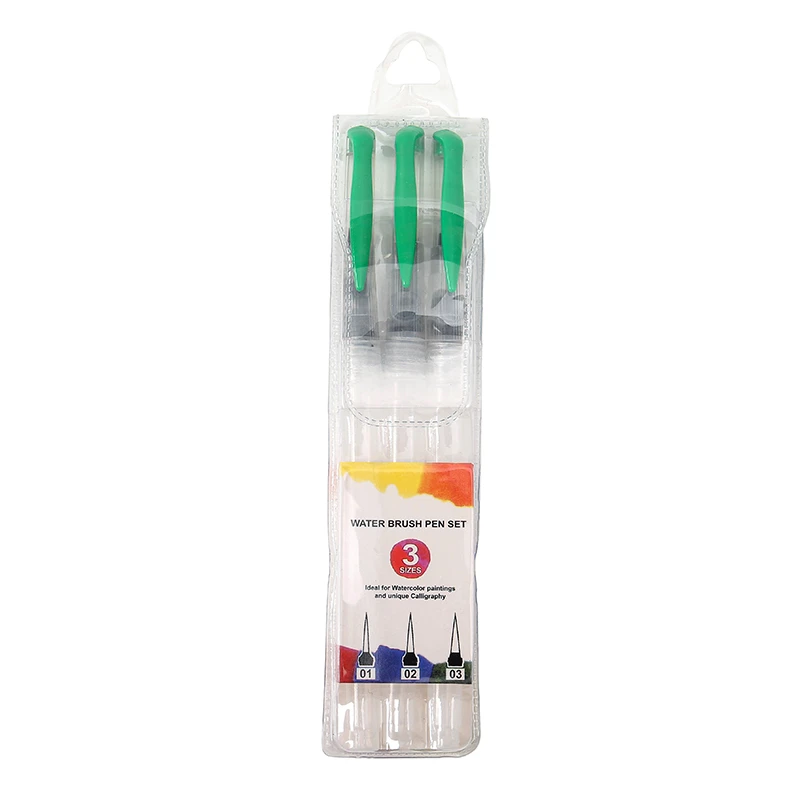
If you're interested in purchasing paint pens for your rubber projects, I invite you to explore our range of products. We offer a wide selection of high-quality paint pens, including Water Brush Pen Painting, Best Watercolor Brush Paint Pens, and Watercolor Paint Brush Pens. Our paint pens are designed to provide excellent adhesion, flexibility, and durability on a variety of surfaces, including rubber.

If you have any questions or need further assistance, please don't hesitate to contact us. We're here to help you find the right paint pens for your needs and to ensure that you achieve the best results with your projects.
References
- Manufacturer's instructions for paint pens
- Industry publications on paint and coatings
- Personal experience as a paint pen supplier