Can paint pens be used on plastic models?
Leave a message

Can paint pens be used on plastic models? This is a question that many hobbyists and model enthusiasts often ask. As a paint pen supplier, I'm here to provide you with a detailed answer based on scientific knowledge and practical experience.
Understanding Paint Pens and Plastic Models
Paint pens are versatile tools that come in various types, including marker - style pens, brush - tip pens, and even water - based pens. They are designed to deliver a precise amount of paint onto a surface. Plastic models, on the other hand, are commonly made from different types of plastics such as polystyrene, ABS, and PVC. Each type of plastic has its own surface properties, which can affect how well paint adheres to it.
Factors Affecting the Use of Paint Pens on Plastic Models
1. Plastic Type
- Polystyrene: This is one of the most common plastics used in model making. It has a relatively smooth surface, which can make it a bit challenging for paint to adhere. However, many paint pens are formulated to bond well with polystyrene. For example, solvent - based paint pens can etch the surface slightly, creating a better grip for the paint.
- ABS (Acrylonitrile Butadiene Styrene): ABS is a more durable and impact - resistant plastic. It has a slightly rougher surface compared to polystyrene, which can help paint pens adhere better. Most water - based and oil - based paint pens can be used on ABS models without much issue.
- PVC (Polyvinyl Chloride): PVC has a very smooth and sometimes waxy surface. This can make it difficult for paint to stick. Specialized paint pens designed for PVC or those with strong adhesion properties are required for successful painting on PVC plastic models.
2. Surface Preparation
Surface preparation is crucial when using paint pens on plastic models. A clean and smooth surface will ensure better paint adhesion. Here are some steps for proper surface preparation:
- Cleaning: Use a mild detergent and water to clean the plastic model. This will remove any dust, grease, or fingerprints that may prevent the paint from adhering. After cleaning, dry the model thoroughly.
- Sandpaper: For a smoother finish and better adhesion, you can lightly sand the surface of the plastic model with fine - grit sandpaper. This will create a slightly rough surface for the paint to grip onto. However, be careful not to sand too hard, as it may damage the model.
3. Paint Pen Type
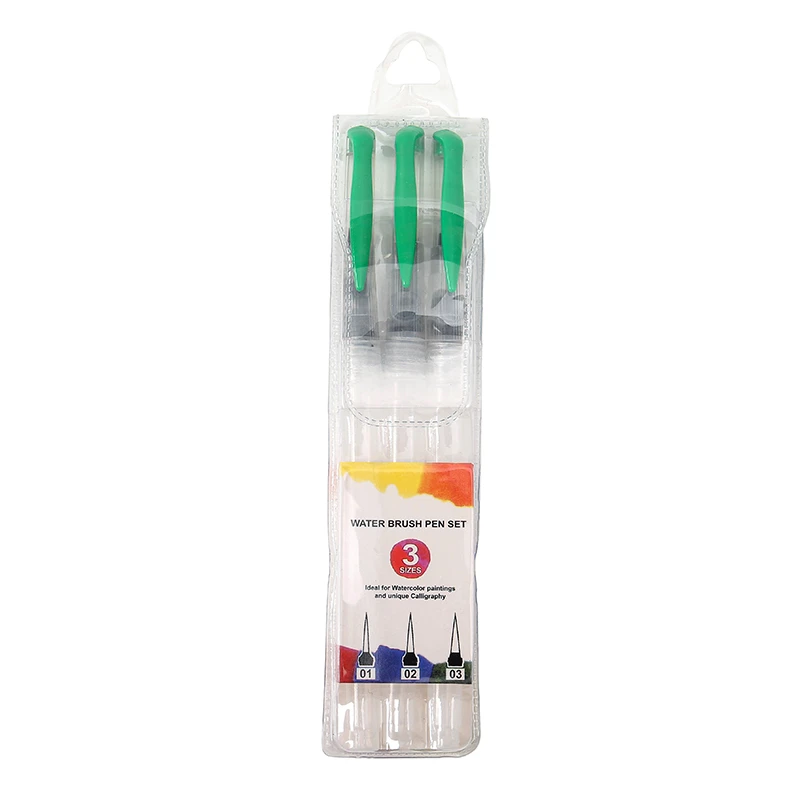
- Water - based Paint Pens: These are environmentally friendly and easy to clean up with water. They are suitable for many types of plastic models, especially those made of ABS. However, they may not adhere as well to smooth plastics like polystyrene and PVC without proper surface preparation. You can find a great selection of water - based paint pens, such as Watercolor Brush Paint Pens for Beginners.
- Oil - based Paint Pens: Oil - based paint pens offer better adhesion and durability. They are ideal for plastic models that will be handled frequently or exposed to the elements. However, they take longer to dry and require solvents for cleaning.
- Solvent - based Paint Pens: These paint pens contain solvents that can etch the plastic surface, providing excellent adhesion. They are often used for high - quality finishes on plastic models. But they are also more toxic and require proper ventilation when used.
Advantages of Using Paint Pens on Plastic Models
1. Precision
Paint pens allow for precise painting, which is essential when working on small details of plastic models. Whether you are adding fine lines, intricate patterns, or highlighting specific areas, paint pens can deliver accurate results.

2. Variety of Colors
There is a wide range of colors available in paint pens. You can easily find the exact shade you need to match your plastic model's design or create a unique color scheme.
3. Ease of Use
Compared to traditional painting methods, paint pens are very easy to use. You don't need to deal with brushes, palettes, and mixing paints. Just uncork the pen and start painting.
Disadvantages of Using Paint Pens on Plastic Models
1. Limited Coverage
Paint pens may not be suitable for large - scale painting on plastic models. They have a relatively small tip, which means it can take a long time to cover a large surface area.
2. Drying Time
Depending on the type of paint pen, drying time can vary. Water - based paint pens usually dry faster, but oil - based and solvent - based paint pens can take several hours or even days to dry completely.
Tips for Using Paint Pens on Plastic Models
1. Test First
Before applying paint pens to the entire plastic model, test them on a small, inconspicuous area. This will allow you to see how the paint adheres, dries, and looks on the plastic surface.
2. Multiple Layers
For a more vibrant and durable finish, apply multiple thin layers of paint instead of one thick layer. Let each layer dry completely before applying the next one.
3. Protect the Finish
Once the paint has dried, you can apply a clear coat to protect the finish of the plastic model. This will make the paint more resistant to scratches and fading.
Applications of Paint Pens on Plastic Models
1. Model Kits
Paint pens are commonly used to paint model kits, such as military vehicles, airplanes, and ships. You can use them to add details like camouflage patterns, markings, and highlights.
2. Action Figures
Action figures made of plastic can be customized using paint pens. You can change the color of the clothing, add facial features, or create unique designs on the figure.
3. DIY Crafts
Paint pens can also be used in DIY plastic - based crafts. For example, you can paint plastic containers, ornaments, or jewelry to give them a personalized touch.
Conclusion
In conclusion, paint pens can be used on plastic models, but several factors need to be considered. The type of plastic, surface preparation, and the type of paint pen all play important roles in achieving a successful paint job. With proper preparation and the right choice of paint pens, you can create beautiful and long - lasting finishes on your plastic models.
If you are interested in purchasing high - quality paint pens for your plastic models, we are here to assist you. We offer a wide range of paint pens, including Watercolor Paint Brush Pens and Water Brush Pen Painting products. Contact us for more information and to start a purchase negotiation. We look forward to working with you to bring your plastic model projects to life!
References
- "Plastic Materials and Their Properties" by John A. Brydson
- "Model Making Handbook" by David A. Smith
- "The Art of Painting with Pens" by Emily Johnson