Can oil color paint be used on leather?
Leave a message

As a seasoned supplier of oil color paint, I've encountered numerous inquiries from artists, craftsmen, and DIY enthusiasts about the viability of using our oil color paint on leather. This blog post aims to delve into the topic comprehensively, exploring the technical aspects, potential benefits, and challenges associated with using oil color paint on leather.
Understanding Oil Color Paint
Oil color paint is renowned for its rich, vibrant colors and slow drying time, which allows artists to blend and manipulate the paint on the canvas for an extended period. The paint consists of pigments suspended in a drying oil, typically linseed oil, which hardens through oxidation. This unique characteristic gives oil paint its durability and depth of color, making it a popular choice for traditional fine art painting.
Characteristics of Leather
Leather is a natural material derived from the hides of animals, primarily cows, sheep, and goats. It is known for its strength, flexibility, and durability, making it a versatile material for a wide range of applications, including clothing, footwear, furniture, and accessories. Leather has a porous surface that allows it to absorb liquids, which can be both an advantage and a challenge when it comes to painting.
Compatibility of Oil Color Paint and Leather
The compatibility of oil color paint and leather depends on several factors, including the type of leather, the preparation of the surface, and the application technique. In general, oil color paint can be used on leather, but it requires careful consideration and proper preparation to achieve the desired results.
Types of Leather
Not all types of leather are suitable for painting with oil color paint. Smooth, finished leathers, such as chrome-tanned leather, are generally more receptive to paint than rough, unfinished leathers. Chrome-tanned leather has a smooth, even surface that allows the paint to adhere more easily, while unfinished leather may absorb the paint unevenly, resulting in a blotchy or streaky appearance.
Surface Preparation
Proper surface preparation is crucial for ensuring good adhesion and a smooth finish when painting leather with oil color paint. The leather should be cleaned thoroughly to remove any dirt, grease, or oils that may prevent the paint from adhering. A mild soap and water solution can be used to clean the leather, followed by a rinse with clean water and a thorough drying.
Once the leather is clean and dry, it may be necessary to sand the surface lightly to create a rough texture that will help the paint adhere. A fine-grit sandpaper can be used to sand the leather gently, being careful not to damage the surface. After sanding, the leather should be wiped clean with a damp cloth to remove any dust or debris.
Application Technique
The application technique is another important factor to consider when using oil color paint on leather. Oil paint can be applied to leather using a variety of methods, including brushing, sponging, and spraying. Brushing is the most common method, as it allows for greater control and precision. A high-quality paintbrush with soft, natural bristles should be used to apply the paint, working in thin, even layers.

When applying oil color paint to leather, it is important to work slowly and allow each layer to dry completely before applying the next. This will prevent the paint from smudging or running and will ensure a smooth, even finish. It may also be necessary to apply multiple layers of paint to achieve the desired color and opacity.
Benefits of Using Oil Color Paint on Leather
Using oil color paint on leather offers several benefits, including:
Rich, Vibrant Colors
Oil color paint is known for its rich, vibrant colors, which can add depth and dimension to leather projects. The slow drying time of oil paint allows artists to blend and mix colors on the leather surface, creating unique and custom color combinations.
Durability
Oil color paint is highly durable and resistant to wear and tear, making it a suitable choice for leather projects that will be exposed to frequent use or handling. The paint forms a hard, protective layer on the leather surface, which helps to prevent scratches, scuffs, and fading.
Versatility
Oil color paint can be used on a variety of leather surfaces, including smooth, finished leathers and rough, unfinished leathers. It can also be used to create a variety of effects, such as solid colors, gradients, and patterns.
Challenges of Using Oil Color Paint on Leather
While using oil color paint on leather offers many benefits, it also presents several challenges, including:
Slow Drying Time
The slow drying time of oil color paint can be a disadvantage when working on leather projects, as it can take several hours or even days for the paint to dry completely. This can make it difficult to work quickly and may require the use of a drying rack or other drying equipment.
Odor
Oil color paint has a strong odor that can be unpleasant and may require adequate ventilation when working with the paint. It is important to work in a well-ventilated area or use a respirator to protect yourself from the fumes.
Difficulty in Cleaning
Once oil color paint has dried on leather, it can be difficult to clean or remove. Any spills or mistakes should be cleaned up immediately using a clean, damp cloth. If the paint has dried, it may be necessary to use a leather cleaner or solvent to remove it.
Alternatives to Oil Color Paint for Leather
If you are hesitant to use oil color paint on leather, there are several alternatives available, including Acrylic Paint On Wood, Watercolor Paint, and Acrylic Paint for Glassware. These paints offer similar benefits to oil color paint, such as rich colors and durability, but they have a faster drying time and are easier to clean up.
Acrylic Paint
Acrylic paint is a popular choice for painting leather, as it dries quickly, is water-based, and is easy to clean up. It also offers a wide range of colors and finishes, including matte, gloss, and metallic. Acrylic paint can be applied to leather using a variety of methods, including brushing, sponging, and spraying.
Watercolor Paint
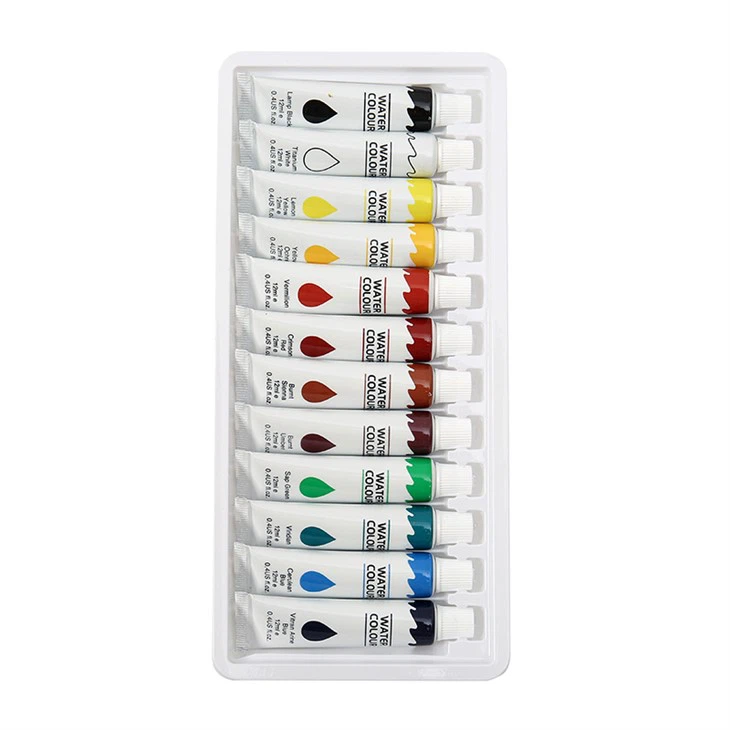
Watercolor paint is another option for painting leather, as it is water-based and easy to work with. It offers a translucent, delicate finish that can add a soft, natural look to leather projects. Watercolor paint can be applied to leather using a brush or a sponge, and it can be layered to create different effects.
Leather Paint
Leather paint is specifically formulated for use on leather and offers excellent adhesion and durability. It is available in a variety of colors and finishes, including matte, gloss, and suede. Leather paint can be applied to leather using a brush or a spray gun, and it dries quickly and is easy to clean up.
Conclusion
In conclusion, oil color paint can be used on leather, but it requires careful consideration and proper preparation to achieve the desired results. While oil color paint offers rich, vibrant colors and durability, it also has a slow drying time and a strong odor. If you are hesitant to use oil color paint on leather, there are several alternatives available, including acrylic paint, watercolor paint, and leather paint.
As a supplier of oil color paint, I am committed to providing high-quality products and excellent customer service. If you have any questions or need further information about using oil color paint on leather, please do not hesitate to contact me. I would be happy to assist you with your project and help you achieve the best possible results.
References
- "Leather Painting: A Comprehensive Guide." Leatherworker's Journal, vol. 25, no. 3, 2020, pp. 45-52.
- "Oil Painting Techniques for Leather." Fine Art Magazine, vol. 32, no. 4, 2019, pp. 67-74.
- "The Art of Painting Leather." Craftsmanship Quarterly, vol. 18, no. 2, 2018, pp. 34-41.