Can I use acrylic paint colors on wood?
Leave a message

Can I use acrylic paint colors on wood? That's a question I get asked a lot as an acrylic paint color supplier. And the short answer is yes, you absolutely can! In fact, acrylic paint is one of the best choices for painting wood, and I'm here to tell you why.
First off, let's talk about what acrylic paint is. Acrylic paint is a water - based paint made from pigment suspended in an acrylic polymer emulsion. It's known for its quick - drying time, durability, and versatility. You can find it in a wide range of colors, from bright and bold to soft and muted, so you're sure to find the perfect shade for your wood project.
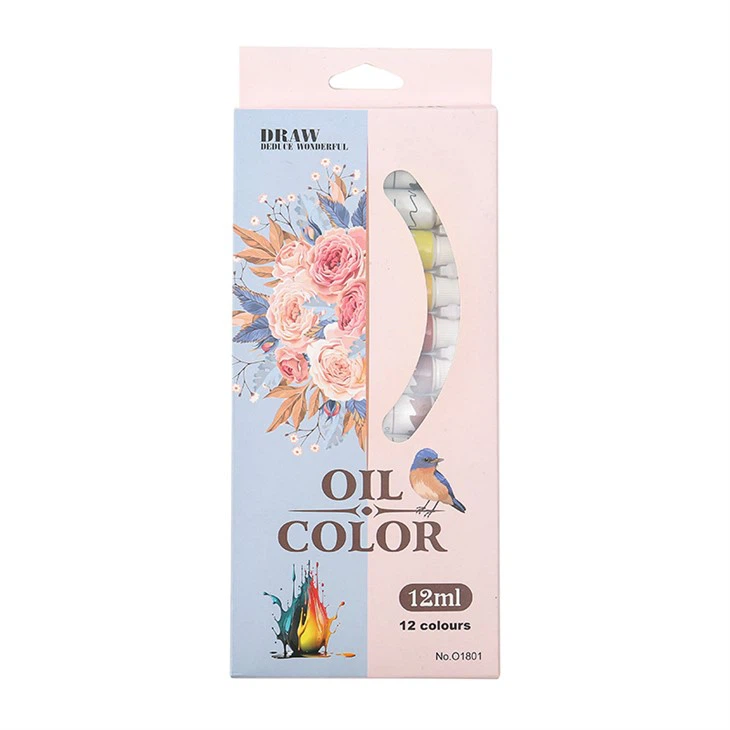
One of the biggest advantages of using acrylic paint on wood is its fast drying time. Unlike Oil Color Paint, which can take days to dry completely, acrylic paint usually dries within minutes to hours, depending on the thickness of the application. This means you can get multiple coats on your wood project in a single day, speeding up the overall process.
Another great thing about acrylic paint is its durability. Once it dries, it forms a hard, protective layer on the wood surface. This layer can withstand a fair amount of wear and tear, making it suitable for both indoor and outdoor wood projects. Whether you're painting a wooden bookshelf for your living room or a garden bench, acrylic paint will hold up well over time.
Acrylic paint is also very versatile. You can use it for different painting techniques. If you want a smooth, solid color finish, you can apply it with a brush or a roller. For a more textured look, you can use a sponge or a stencil. You can even mix different colors of acrylic paint to create your own custom shades.
Now, let's go through the steps of using acrylic paint on wood.
Step 1: Prepare the Wood
Before you start painting, you need to prepare the wood surface. Sand the wood to smooth out any rough areas and to help the paint adhere better. You can use a fine - grit sandpaper for this. After sanding, wipe the wood with a clean, dry cloth to remove any dust.
Step 2: Prime the Wood (Optional but Recommended)
Applying a primer can make the paint job look better and last longer. A good primer will seal the wood pores and provide a smooth base for the paint. You can choose a primer specifically designed for use with acrylic paint. Apply the primer with a brush or a roller, following the manufacturer's instructions. Let the primer dry completely before moving on to the next step.
Step 3: Choose Your Paint and Tools
As an acrylic paint color supplier, I offer a wide variety of colors and finishes. You can choose from matte, satin, or gloss finishes depending on your preference. For tools, you'll need a good quality paintbrush or a roller. Make sure the brush has soft bristles to avoid leaving brush marks on the wood.
Step 4: Apply the Paint
Start by applying a thin coat of paint. Use long, even strokes in the direction of the wood grain. Let the first coat dry completely. This usually takes about an hour or so, but it can vary depending on the paint and the environmental conditions. Once the first coat is dry, you can apply additional coats if needed. Most projects will require 2 - 3 coats for full coverage.
Step 5: Seal the Paint (Optional)
If you want to add an extra layer of protection, you can apply a clear sealer over the painted surface. A sealer will make the paint more resistant to scratches, water, and UV rays. You can choose a water - based or a solvent - based sealer, but make sure it's compatible with acrylic paint.
There are, however, a few things to keep in mind when using acrylic paint on wood.

-
Thickness of Application: Don't apply the paint too thickly. Thick layers of paint can take longer to dry and may crack or peel over time. It's better to apply multiple thin coats.
-
Temperature and Humidity: Acrylic paint dries best in moderate temperatures and low humidity. Avoid painting in extremely hot, cold, or humid conditions.
-
Cleaning Up: Since acrylic paint is water - based, it's easy to clean up. Just wash your brushes and tools with soap and water right after use.
Compared to other types of paint, like Watercolor Paint and Acrylic Paint for Glassware, acrylic paint for wood has its own unique advantages. Watercolor paint is more transparent and fluid, which may not be suitable for covering the wood surface evenly. Acrylic paint for glassware is formulated to adhere to glass, and while it can be used on wood, it may not offer the same level of durability as wood - specific acrylic paint.
In conclusion, using acrylic paint colors on wood is a great option for a variety of wood projects. It's fast - drying, durable, and versatile. Whether you're a DIY enthusiast or a professional painter, acrylic paint can help you achieve beautiful results on your wood surfaces.
If you're interested in purchasing high - quality acrylic paint colors for your wood projects, I'd love to talk to you. I can offer you a wide range of colors and provide you with useful advice on using the paint. Just reach out, and we can start discussing your specific needs.
References
- "The Complete Guide to Painting Wood", DIY Magazine
- "Acrylic Paint Basics", Art Supplies Handbook