Can I use acrylic paint colors on linen?
Leave a message

Can I use acrylic paint colors on linen?
As a supplier of high - quality acrylic paint colors, I often get asked a wide range of questions from artists, hobbyists, and even professionals in the textile and art industries. One of the most common inquiries is whether acrylic paint colors can be used on linen. In this blog post, I'll delve deep into this topic, exploring the feasibility, advantages, challenges, and best practices of using acrylic paint on linen.
Feasibility of Using Acrylic Paint on Linen
Acrylic paint is a popular choice among artists due to its versatility, quick - drying time, and durability. Linen, on the other hand, is a natural fabric made from the fibers of the flax plant. It is known for its strength, absorbency, and smooth texture. The good news is that acrylic paint can indeed be used on linen.
The chemistry behind acrylic paint makes it suitable for application on various surfaces, including fabric. Acrylic paint consists of pigment particles suspended in an acrylic polymer emulsion. When the water in the emulsion evaporates, the polymer forms a flexible and durable film that adheres well to many materials, including linen.


Advantages of Using Acrylic Paint on Linen
- Color Vibrancy: Acrylic paints offer a wide range of vivid and long - lasting colors. This allows artists to create bold and eye - catching designs on linen. Whether you're painting a portrait, a landscape, or an abstract pattern, acrylics can bring your vision to life with rich and intense hues.
- Quick Drying: Unlike some other types of paint, such as oil paint, acrylic paint dries relatively quickly. This means that you can layer colors more efficiently and complete your project in a shorter amount of time. You don't have to wait days for each layer to dry before adding the next one.
- Durability: Once dry, acrylic paint forms a tough and flexible film on the linen. It can withstand regular handling, washing (if properly treated), and exposure to light without fading or cracking easily. This makes it suitable for creating items like painted tablecloths, wall hangings, or even clothing.
- Versatility: Acrylic paint can be thinned with water for a more translucent effect or left thick for a more textured look. You can also mix different colors to create custom shades, and use various painting techniques such as brushing, sponging, or spraying on linen.
Challenges of Using Acrylic Paint on Linen
- Absorption: Linen is a highly absorbent fabric, which means that it can soak up a significant amount of paint. This can sometimes lead to the paint spreading unevenly or looking duller than expected. To overcome this, you may need to apply multiple thin layers of paint rather than one thick layer.
- Rigidity: If too much paint is applied, the linen may become stiff and lose its natural drape. This can be a concern, especially if you're using the painted linen for items like clothing or curtains.
- Washing: While acrylic paint is generally durable, it may require special care when it comes to washing. If not properly set, the paint may start to fade or peel off after a few washes.
Best Practices for Using Acrylic Paint on Linen
- Prepare the Linen: Before painting, it's a good idea to wash and dry the linen to remove any sizing or impurities. This will help the paint adhere better to the fabric. You can also iron the linen to make it smooth.
- Prime the Linen (Optional): Applying a fabric medium or a primer specifically designed for use with acrylic paint can help reduce the absorption of the paint and create a more even surface. This step is especially useful if you're working on a large area or want a very smooth finish.
- Test the Paint: Always do a test patch on a small, inconspicuous area of the linen before starting your main project. This will allow you to see how the paint behaves on the fabric, how the colors look, and whether you need to make any adjustments to your technique.
- Use the Right Brushes: Choose high - quality brushes that are suitable for use with acrylic paint on fabric. Synthetic brushes with fine tips are often a good choice as they can hold the paint well and provide precise application.
- Apply Thin Layers: As mentioned earlier, applying multiple thin layers of paint is better than one thick layer. This helps prevent the linen from becoming too stiff and ensures a more even color distribution. Let each layer dry completely before applying the next one.
- Set the Paint: After your painting is complete, you need to set the paint to make it more wash - resistant. You can do this by using a fabric heat - setting method. Ironing the painted area on the reverse side with a medium - hot iron for a few minutes can help bond the paint to the fabric. Some artists also recommend using a fabric sealer or a heat - setting spray.
Comparison with Other Types of Paint
When considering using paint on linen, it's worth comparing acrylic paint with other popular types of paint, such as Watercolor Paint, Acrylic Paint On Wood, and Gouache Color Paint.
- Watercolor Paint: Watercolor is known for its delicate and transparent appearance. However, it may not be as durable as acrylic paint on linen. Watercolor can also be more difficult to control on a highly absorbent fabric like linen, and it may not offer the same level of color intensity.
- Acrylic Paint on Wood: While acrylic paint can be used on both wood and linen, the surface characteristics of wood and linen are quite different. Wood is generally less absorbent than linen, so the paint application and drying process may vary. On wood, acrylic paint can create a smooth and hard finish, while on linen, it needs to be more flexible to maintain the fabric's natural properties.
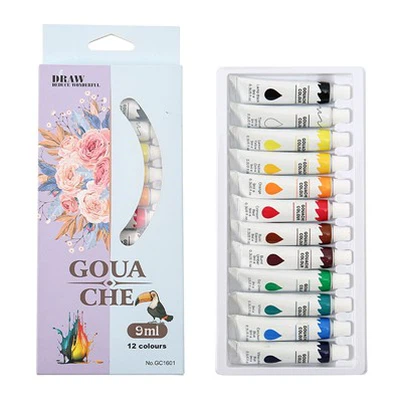
- Gouache Color Paint: Gouache is an opaque water - based paint. It has a similar drying time to acrylic paint but may not be as flexible once dry. Gouache also tends to be more powdery in texture, which may not be ideal for all types of projects on linen.
Conclusion
In conclusion, using acrylic paint colors on linen is not only possible but also offers many benefits for artists and crafters. While there are some challenges to overcome, with the right techniques and proper preparation, you can create beautiful and long - lasting painted linen items. Whether you're a professional artist looking to expand your mediums or a hobbyist wanting to try something new, acrylic paint on linen can be a rewarding and creative endeavor.
If you're interested in purchasing high - quality acrylic paint colors for your linen projects, we'd love to hear from you. Our team of experts can provide you with more information about our products, offer advice on painting techniques, and help you find the perfect colors for your needs. Feel free to reach out to us to start a discussion about your procurement requirements.
References
- "The Complete Guide to Acrylic Painting" by Artist's Handbook Publishing
- "Fabric Painting Techniques" by Textile Arts Press
- "Linen: Properties and Uses" by Natural Fiber Research Institute