How to use the oil painting palette
Leave a message
The oil painting palette is one of the crucial tools in oil painting creation. It is not only used to blend pigments, but also carries the painter's creative ideas and color matching. The following is a detailed introduction to the oil painting palette:
1, The material of the oil painting palette
Oil painting palettes are usually made of materials such as wood, glass, plastic, cardboard, or marble slabs. Among them, wooden color palettes are the most commonly used because they are lightweight, durable, and easy to clean. Plastic color palettes are highly favored due to their affordable price, lightweight, and resistance to breakage. Glass and marble panels are suitable for paintings that require precise control of color and brushstrokes due to their smooth surfaces and resistance to water absorption.
2, The shape and size of the oil painting palette
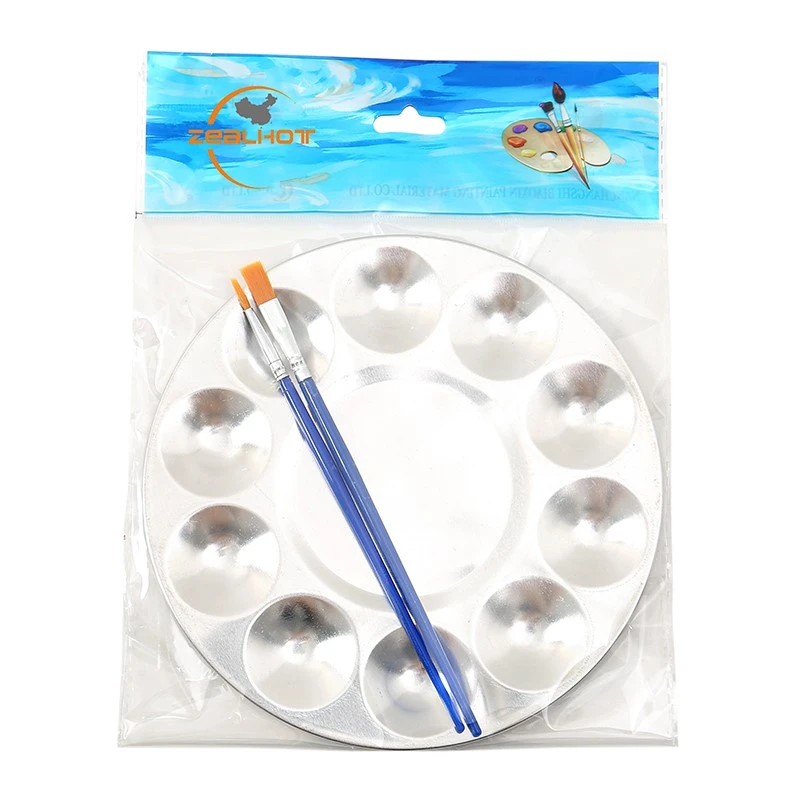
The shapes of oil painting palettes are diverse, commonly including rectangles, ellipses, and plum blossom shapes. The rectangular color palette is suitable for placing a large amount of paint and for large-scale color adjustment; The elliptical color palette is more compact, suitable for carrying and use in small spaces; The plum blossom color palette has a unique shape, making it easier for painters to observe color combinations when adjusting colors. In terms of size, the size of the color palette should be chosen according to the artist's personal preferences and painting needs.
3, How to use the oil painting palette
Placing pigments: Reasonable placement of pigments on a color palette can be classified according to color tone, color properties, or usage. For example, pigments with bright, gray, and dark tones can be placed in different areas; Cold and warm toned pigments can also be placed separately; Common pigments can also be placed in easily accessible locations according to painting needs.
Blended pigments: Use a color palette knife or brush to blend pigments on the palette. Pay attention to controlling the proportion and mixing degree of pigments to achieve the desired color effect.
Cleaning the color palette: After each painting, any remaining paint on the palette should be promptly cleaned to prevent it from drying up and affecting the next use. You can use clean water, turpentine, or specialized cleaning agents for cleaning.
4, Suggestions for maintenance and selection of oil painting color palettes
Maintenance method: Avoid exposing the color palette to direct sunlight or high temperatures for a long time to prevent deformation or cracking of the palette. Regularly clean the color palette to maintain its surface cleanliness.
Selection suggestion: Choose the appropriate color palette material, shape, and size according to your own painting style and needs. Beginners can choose affordable and easy to clean plastic or wooden color palettes; Professional painters may be more inclined to choose more durable and high-end materials and shapes.
In summary, the oil painting palette is one of the indispensable tools in oil painting creation. Choosing the appropriate color palette material, shape, and size, as well as the correct usage method, can better meet the creative needs of painters and improve painting efficiency and quality.