What type of paint is used for wooden toys?
Leave a message

When it comes to wooden toys, choosing the right type of paint is crucial for both aesthetic and safety reasons. As a paint supplier with years of experience in the industry, I've witnessed firsthand the importance of selecting the appropriate paint for wooden toys. In this blog post, I'll delve into the different types of paints suitable for wooden toys, their characteristics, and considerations to keep in mind during the selection process.
Oil Color Paint
Oil Color Paint has long been a popular choice for painting wooden toys due to its durability and rich color saturation. This type of paint is made from pigments suspended in an oil-based binder, typically linseed oil. The oil binder provides a hard, protective finish that is resistant to scratches, chipping, and moisture.
One of the key advantages of oil color paint is its ability to create a smooth, even finish on wooden surfaces. It allows for easy blending of colors, making it ideal for creating detailed designs and realistic effects on wooden toys. Additionally, oil paint dries slowly, giving painters more time to work with the paint and make adjustments as needed.
However, oil color paint also has some drawbacks. It has a strong odor during the drying process, which can be unpleasant and potentially harmful if inhaled in large quantities. It also takes longer to dry compared to other types of paint, which means that wooden toys painted with oil paint may need to be left to dry for several days before they can be handled or played with.
Acrylic Paint And Medium
Acrylic Paint And Medium is another popular option for painting wooden toys. Acrylic paint is water-based, which makes it easy to clean up and less toxic than oil paint. It dries quickly, usually within a few hours, and forms a flexible, durable finish that is resistant to cracking and peeling.
Acrylic paint comes in a wide range of colors and finishes, including matte, satin, and gloss. It can be used straight out of the tube or mixed with acrylic mediums to create different effects, such as a more transparent or textured finish. Acrylic paint is also easy to layer, allowing for the creation of complex designs and patterns on wooden toys.
One of the main advantages of acrylic paint is its versatility. It can be used on a variety of surfaces, including wood, plastic, and metal, and can be applied using a brush, sponge, or spray gun. It is also suitable for both indoor and outdoor use, making it a great choice for wooden toys that will be exposed to different environmental conditions.
However, acrylic paint may not be as durable as oil paint in some cases, especially if it is exposed to extreme temperatures or harsh chemicals. It may also be more prone to scratching and scuffing compared to oil paint, although this can be minimized by using a protective topcoat.
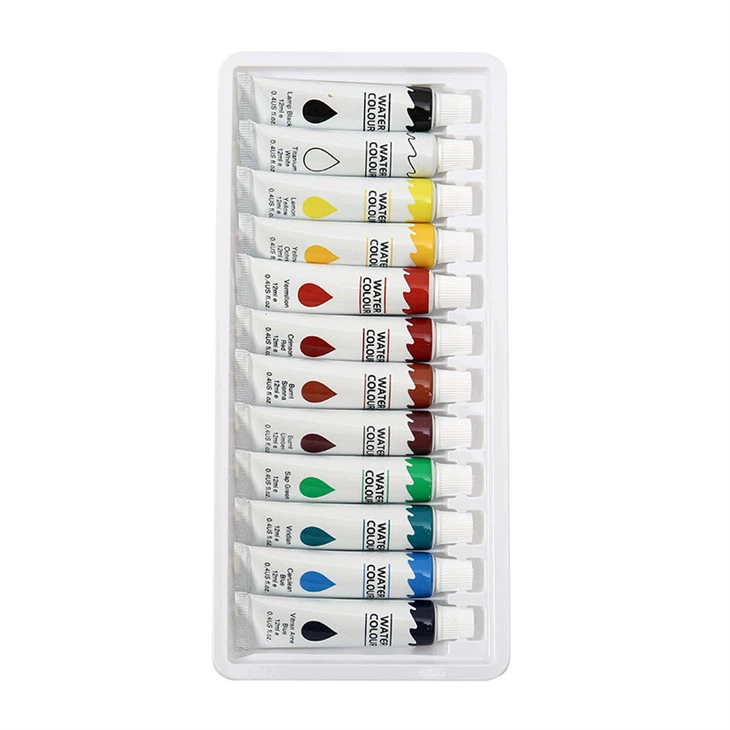
Watercolor Paint
Watercolor Paint is a traditional type of paint that is often used for artistic purposes. It is made from pigments suspended in a water-based binder and is known for its transparent, delicate appearance. Watercolor paint is easy to use and can be applied using a brush or sponge.
One of the advantages of watercolor paint is its ability to create soft, blended colors and a natural, organic look on wooden toys. It is also relatively inexpensive and widely available, making it a great option for those on a budget or who are just starting out with painting wooden toys.
Watercolor paint dries quickly and can be easily removed with water if a mistake is made. It is also less toxic than oil paint and has a low odor, which makes it a safer choice for painting wooden toys that will be used by children.
However, watercolor paint may not be as durable as oil or acrylic paint. It is more prone to fading and may not hold up well to repeated handling or exposure to moisture. It is also not suitable for creating bold, opaque colors or detailed designs, as it is a transparent paint.
Considerations When Choosing Paint for Wooden Toys
When choosing a paint for wooden toys, there are several factors to consider, including safety, durability, color, and ease of use.
- Safety: The safety of the paint is of utmost importance when painting wooden toys, especially if they will be used by children. Make sure to choose a paint that is non-toxic, lead-free, and meets all relevant safety standards. Look for paints that are labeled as safe for use on toys or children's products.
- Durability: Wooden toys are likely to be handled and played with frequently, so it is important to choose a paint that is durable and can withstand wear and tear. Consider the type of environment the toys will be used in and choose a paint that is resistant to scratching, chipping, and fading.
- Color: The color of the paint is an important consideration, as it will affect the overall appearance of the wooden toys. Choose a color that is appropriate for the age and interests of the children who will be playing with the toys, and consider using bright, bold colors to make the toys more appealing.
- Ease of Use: Choose a paint that is easy to use and apply, especially if you are new to painting wooden toys. Consider the drying time, clean-up requirements, and the tools and techniques needed to apply the paint.
Conclusion
In conclusion, there are several types of paint that can be used for wooden toys, each with its own advantages and disadvantages. Oil color paint offers a durable, rich finish but takes longer to dry and has a strong odor. Acrylic paint is versatile, easy to use, and dries quickly, but may not be as durable as oil paint in some cases. Watercolor paint creates a soft, delicate appearance but may not be as long-lasting as other types of paint.
When choosing a paint for wooden toys, it is important to consider the safety, durability, color, and ease of use. By taking these factors into account, you can choose the right paint for your wooden toys and ensure that they are both beautiful and safe for children to play with.
If you are interested in purchasing paint for wooden toys or have any questions about the different types of paint available, please feel free to contact us. Our team of experts is always happy to help you choose the right paint for your needs and provide you with any additional information or support you may need.

References
- "The Art of Painting Wooden Toys." Craftsmanship Today, Vol. 12, No. 3, 2022.
- "Safety Standards for Paints Used on Children's Toys." Consumer Product Safety Commission, 2023.
- "Acrylic Painting Techniques for Beginners." Artistic Expressions Magazine, Vol. 8, No. 2, 2021.