What are the common mistakes when using watercolor paint?
Leave a message

Hey there, fellow art enthusiasts! As a supplier of top - notch watercolor paint, I've seen it all when it comes to the common mistakes artists make while using watercolor. In this blog, I'm gonna share some insights I've gathered over the years to help you avoid these pitfalls and create stunning watercolor masterpieces.
1. Not Preparing the Paper Properly
One of the most frequent mistakes is not prepping the watercolor paper correctly. Watercolor paper is designed to absorb water and hold the paint. If you don't prepare it well, the paint may not spread evenly, and you'll end up with a blotchy or uneven finish.
Some artists skip stretching the paper. Stretching is crucial, especially when using wet - in - wet techniques. When you apply a lot of water to the paper, it can warp and buckle. By stretching the paper on a board before you start painting, you can prevent this warping. Just soak the paper in water for a few minutes, then secure it to a board with tape while it's still damp. As it dries, it will be nice and flat, ready for your paint.
Another issue is using the wrong type of paper. There are different weights and textures of watercolor paper. A heavy - weight paper (around 300 gsm or more) is better for multiple layers of paint and wet - in - wet techniques, as it can handle more water without warping. A smooth paper gives a different look compared to a rough or cold - pressed paper. Make sure to choose the paper that suits your style and the effect you want to achieve. You can check out our Watercolor Paint Best collection for some great paper recommendations.
2. Mixing Colors Incorrectly
Color mixing is an art in itself, and many artists mess it up. One common error is not having a proper color mixing area. You should use a palette or a plate specifically for mixing watercolor. Some people try to mix colors directly on the paper, which can lead to a muddled mess.
Another problem is not understanding color theory. For example, if you want to create a complementary color scheme, you need to know which colors are opposite each other on the color wheel. Mixing complementary colors in equal amounts will usually result in a neutral gray or brown. If you're not careful, you can end up with muddy colors instead of the vibrant ones you're aiming for.

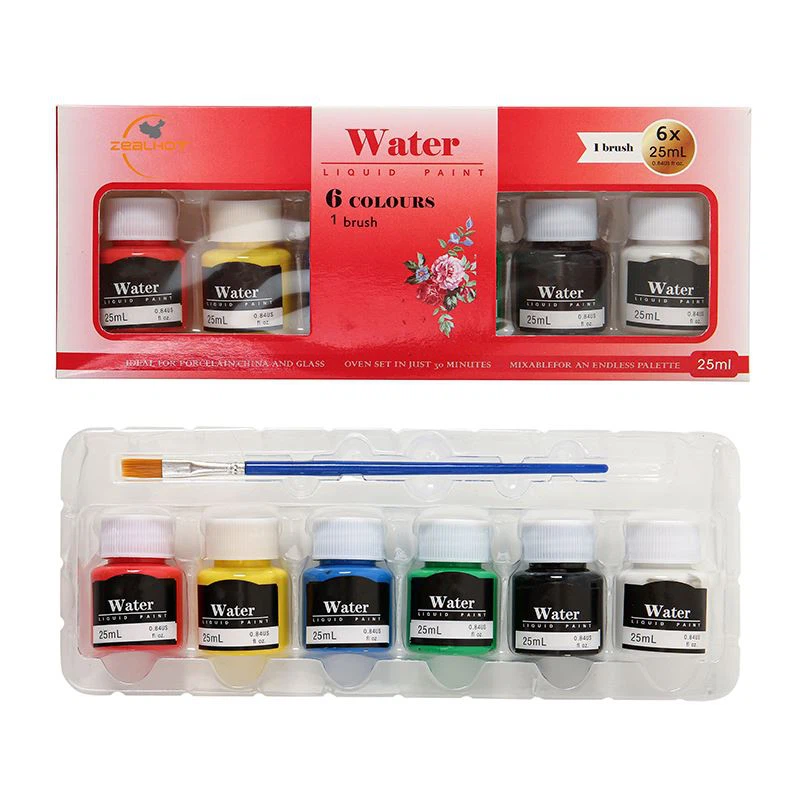
Also, when you're mixing colors, don't be afraid to start with small amounts. It's easier to add more paint to a mixture than to try and correct an overly dark or intense color. You can always build up the color gradually. Our Watercolor Paint comes in a wide range of pure and vibrant hues, which can make color mixing a lot more fun and successful.
3. Over - or Under - Diluting the Paint
Getting the right consistency of watercolor paint is super important. Some artists over - dilute the paint, thinking that more water will make it spread better. While watercolor is a water - based medium, too much water can make the paint lose its intensity and saturation. The colors will look washed out, and you won't be able to achieve the bold and vivid effects you want.
On the other hand, under - diluting the paint can make it too thick and difficult to spread. It may also dry in clumps and leave an uneven texture on the paper. You need to find the sweet spot. A good rule of thumb is to start with a medium consistency and adjust as you go. Dip your brush into the paint, then add a little water to it on the palette and mix well. You can test the consistency on a scrap piece of paper before applying it to your main painting.
4. Not Controlling the Wetness of the Paper
The wetness of the paper plays a huge role in watercolor painting. When the paper is too wet, the paint will spread uncontrollably, and you won't have much control over the shape and placement of the colors. This can be a problem, especially if you're trying to paint fine details or sharp edges.
Conversely, if the paper is too dry, the paint may not blend well, and you'll get a harsh line where the paint meets the dry paper. You need to learn to work with the wetness of the paper. For wet - in - wet techniques, make sure the paper is damp but not dripping wet. You can use a spray bottle to moisten the paper if it starts to dry out during the process.
5. Using the Wrong Brushes
Brushes are like an extension of your hand in watercolor painting, and using the wrong ones can really mess up your work. Some artists use brushes that are too stiff or too soft for the task. A stiff brush is better for applying thick paint or creating bold strokes, while a soft brush is great for blending and creating smooth transitions.
The size of the brush also matters. Using a large brush for small details will be very difficult, and using a tiny brush for large areas will take forever. You should have a variety of brush sizes in your toolkit. Make sure to clean your brushes properly after each use. Leaving paint on the brushes can damage the bristles and affect their performance. We offer high - quality brushes that are perfect for watercolor painting, and you can pair them with our Watercolor Solid Paint for great results.
6. Rushing the Drying Process
Watercolor takes time to dry, and rushing this process can lead to problems. Some artists use a hair dryer or a heat source to speed up the drying. While this may seem like a good idea, it can cause the paint to dry unevenly, leaving streaks or cracks on the surface.
It's best to let the paint dry naturally. You can prop up your painting in a well - ventilated area to help it dry faster, but avoid direct sunlight, as it can fade the colors. If you want to add another layer of paint, make sure the previous layer is completely dry. Otherwise, the new paint may mix with the wet layer below and create a mess.
7. Not Planning the Composition
A lot of artists jump right into painting without a proper plan. Composition is the way you arrange the elements in your painting, and it's essential for creating a visually appealing piece. Without a good composition, your painting may look chaotic or unbalanced.
You should start by sketching out your idea on the paper. Decide where the main subject will be, how the colors will be distributed, and what kind of mood you want to create. You can use techniques like the rule of thirds to help you place the important elements in the right places. Taking the time to plan your composition will make your painting more successful in the end.
Conclusion
Well, there you have it, the common mistakes when using watercolor paint. By avoiding these pitfalls, you can take your watercolor painting to the next level. As a watercolor paint supplier, I'm always here to help you with any questions you may have. Whether you're a beginner or an experienced artist, our high - quality watercolor products can make your painting journey more enjoyable and rewarding.
If you're interested in purchasing our watercolor paint, we'd love to have a chat with you about your needs. Just reach out to us, and we can discuss the best products for your projects.
References
- "The Complete Guide to Watercolor Painting" by some well - known art author.
- Various online art tutorials and blogs.